Harnessing Electric Vehicles for Grid Resilience: A Step-by-Step Guide to Vehicle-to-Grid (V2G) Integration
Introduction
Electric vehicles (EVs) are often seen as a burden on the electricity grid, but with the right technology and programs, they can actually become a powerful asset. Vehicle-to-grid (V2G) technology allows your EV to send stored energy back to the grid during peak demand, stabilizing the system while earning you money or credits. Inspired by insights from The Mobility House and their work with Kia and utility programs, this guide walks you through the process of setting up V2G integration step by step. Whether you’re an EV owner or a fleet manager, you’ll learn how to strengthen the nation’s energy infrastructure—one charge at a time.
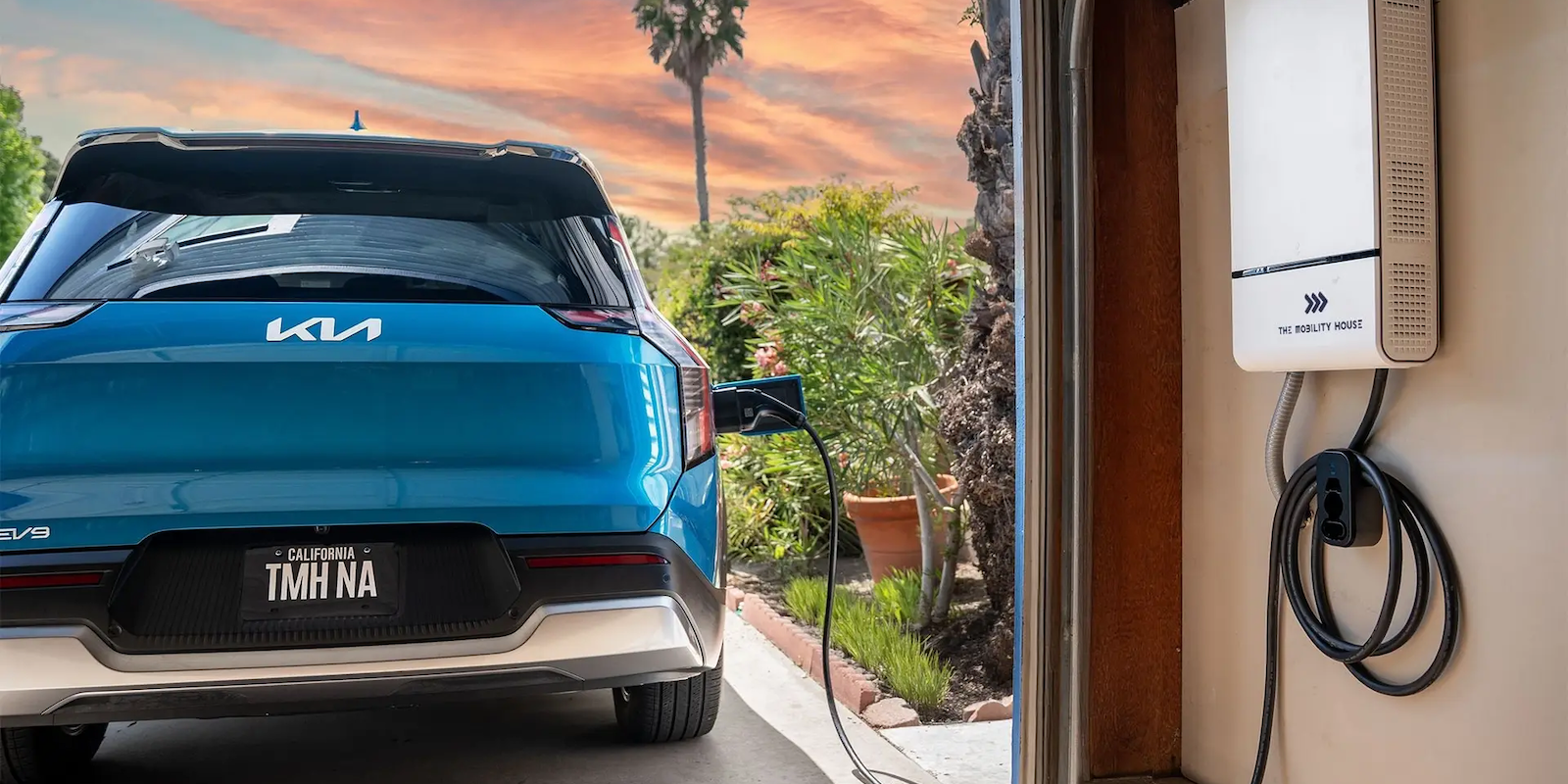
What You Need
- A compatible electric vehicle – Must support bidirectional charging (e.g., certain Kia models like the EV6 or Niro EV). Check your owner’s manual or contact the manufacturer.
- A bidirectional charger – A Level 2 unit that can both charge and discharge power. Popular options include wallbox units from The Mobility House or chargers listed in your utility’s approved list.
- Home internet connection – For real-time communication with your utility provider and the charger’s management platform.
- A utility program enrollment – Contact your local electric utility to see if they offer a V2G or demand-response program (e.g., time-of-use credits, peak shaving incentives).
- Optional: Energy management app – Tools like ACT (Advanced Clean Transportation) dashboards from The Mobility House help monitor and optimize your V2G participation.
How to Set Up V2G Integration: Step-by-Step
Step 1: Understand the Basics of V2G
Before jumping in, know how V2G works. Your EV battery stores energy, and during peak grid demand (typically late afternoon/evening), the utility sends a signal to your bidirectional charger to draw power from your car. This reduces strain on power plants and avoids blackouts. In return, you receive compensation—often a lower electricity rate or direct payment. The Mobility House’s Dylan Gasperik explains that this process actually strengthens the grid rather than weakening it, because aggregated EV batteries act like a giant virtual power plant.
Step 2: Verify Your Vehicle’s Compatibility
Not all EVs support bidirectional charging. In the interview, Gasperik highlights the partnership with Kia—models like the Kia EV6 support V2G. Check your car’s specifications or look for the “V2G ready” label. If you own a fleet, ensure all vehicles meet the standard. For older models, you may need a retrofitting kit (check with The Mobility House or your dealer).
Step 3: Choose and Install a Bidirectional Charger
Select a charger that is certified for V2G use. Popular options include CHAdeMO (common in older EVs) or CCS (Combined Charging System) with bidirectional capability. The Mobility House offers the CHARX series, which integrates seamlessly with utility platforms. Installation should be done by a licensed electrician. Ensure the charger is connected to your home’s main panel and has a dedicated circuit. Also, install a communication module if not built-in.
Step 4: Enroll in a Utility Program
Research utility programs in your area. Many utilities now offer “Vehicle-to-Everything” (V2X) pilot programs. For example, in California, PG&E and SCE have time-of-use rates that incentivize discharging during peak hours. In Arizona, APS runs a V2G pilot with The Mobility House. Contact your provider’s customer service or visit their website to find a program. You’ll typically need to provide your EV’s VIN, charger model, and agree to terms of use.
Step 5: Configure the Charger and App
Once enrolled, set up the charger’s software. Use the manufacturer’s app (e.g., ACT from The Mobility House) to link your vehicle, charger, and utility account. Configure your preferences—such as minimum battery level (e.g., never discharge below 30%) and schedule for peak hours. The app will automatically receive signals from the utility and manage the discharge. Test the system by running a manual discharge (if allowed) to ensure everything works.

Step 6: Monitor Performance and Optimize
After activation, check your app daily for discharge events and compensation. Review reports from The Mobility House dashboard that show how much energy you exported and the grid impact. Adjust settings if you notice your battery draining too quickly or if you need the car unexpectedly. Some utilities allow you to opt out of specific events. Over time, you can learn to maximize earnings by tuning your schedule.
Step 7: Engage with the Community
Join forums or local EV groups to share experiences. The Mobility House often hosts webinars (like the Quick Charge podcast) where you can learn from experts. As more EVs adopt V2G, the collective power of thousands of batteries will significantly reduce the need for new power plants—a key point from the original interview.
Tips for a Successful V2G Experience
- Start small – Enroll in a pilot program first to understand the process before committing to long-term contracts.
- Check incentives – Some states offer rebates for bidirectional charger installation (up to $1,000). Research at dsireusa.org.
- Protect your battery – Lithium-ion batteries degrade faster with deep discharges. Set a minimum state of charge (e.g., 20-30%) to preserve warranty and lifespan.
- Plan for emergencies – V2G programs typically allow you to override events if you need the car for a trip. Make sure you know how to cancel a discharge request.
- Stay updated – Utility programs and charger firmware evolve. Subscribe to The Mobility House’s newsletter for updates on new partnerships (like with Kia).
- Consider grid health – Every kWh you export reduces the need for natural gas peaker plants. You’re making the grid greener—a fact emphasized by Gasperik in the interview.
Conclusion
By following these steps, you transform your EV from a simple commuter into a key component of a resilient energy grid. The Mobility House’s work with Kia and utility programs proves that vehicle-to-grid integration is not only feasible but beneficial for everyone—drivers, utilities, and the environment. Start your V2G journey today and help build a smarter, stronger power system.
Related Articles
- Rivian’s $4.5 Billion DOE Loan: A Turning Point for EVs Despite Political Headwinds
- NSW Accelerates Green Energy Approvals to Ditch Coal and Keep Smelter Running
- Rooftop Solar and Home Batteries Deliver Fatal Blow to Big Coal, Says Energy Chief
- Sardinia's Renewable Energy Revolt: 210,000 Signatures Trigger Emergency Moratorium
- Rivian and Caruso Team Up to Supercharge LA Shopping Centers
- What the Freeze of 165 US Wind Projects Means for Renewable Energy
- China's EV Revolution: Auto Show Insights, Xiaomi SU7 Test Drive, and Home Battery Pilot
- Historic ASEAN-EU Sustainability Summit Opens in Cebu Ahead of Major Regional Talks