Crafting Superior Man Pages: A Comprehensive Guide to Enhanced Documentation
Overview
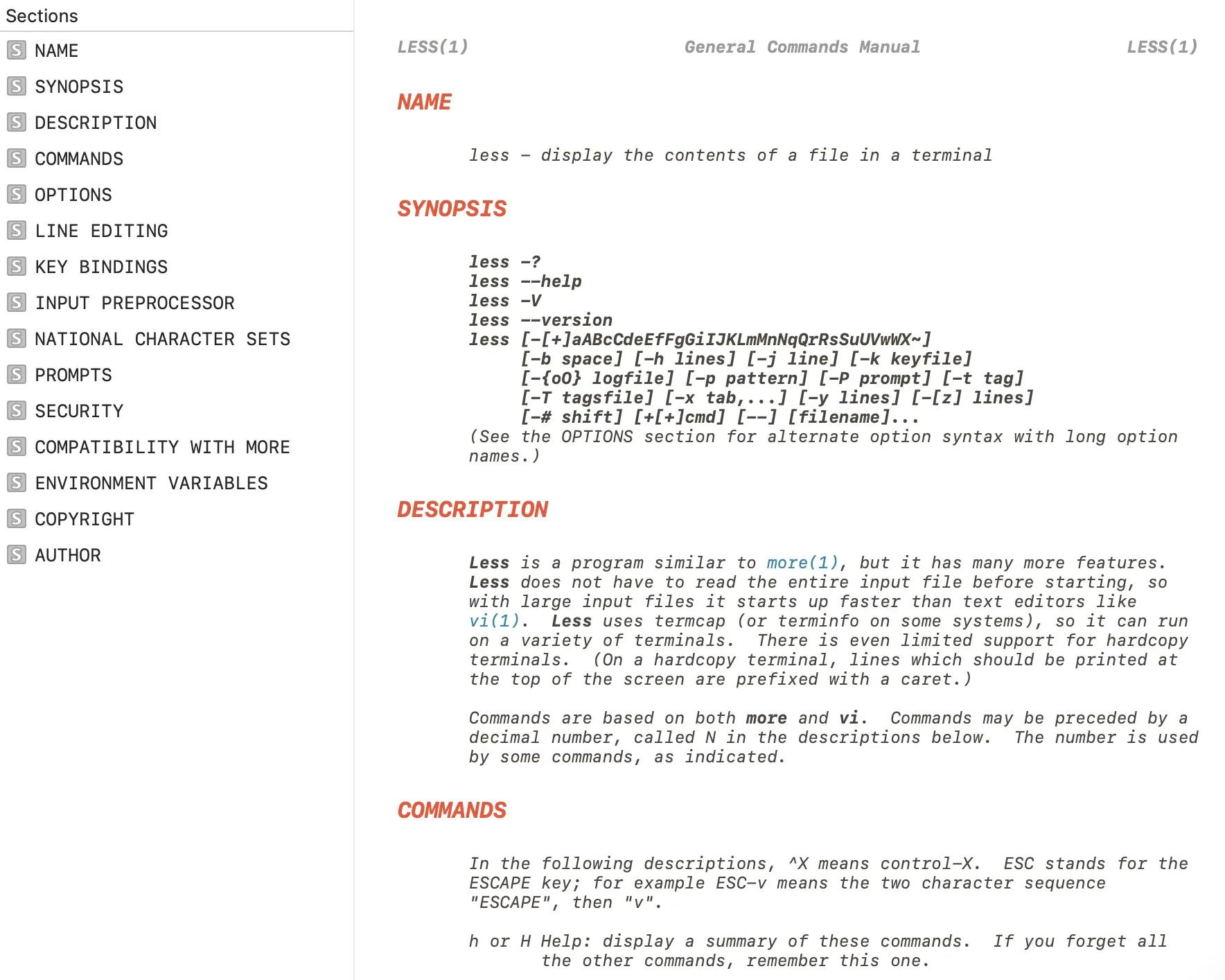
Man pages are the cornerstone of command-line documentation on Unix-like systems. However, many users find them cluttered, hard to navigate, or lacking a quick-reference structure. This guide explores three proven techniques—borrowed from exemplary man pages like rsync, strace, and the Perl suite—to transform a standard man page into a user-friendly documentation powerhouse. By the end, you’ll know how to add an options summary, organize options by category, and embed cheat sheets directly into your man pages.
Prerequisites
- Basic familiarity with the man command and man page syntax (troff or mdoc macros).
- A text editor capable of writing in groff or troff format.
- Access to a Unix-like system (Linux, macOS, BSD) to test your man page.
- Optionally, the makewhatis or mandb utility to rebuild the man database after changes.
Step-by-Step Instructions
Step 1: Add an Options Summary Section
An options summary condenses each flag into a one-line description, placed early in the man page. The rsync man page does this brilliantly. Here’s how to implement it:
- Identify all options: List every flag your tool supports, including short and long forms.
- Write concise summaries: Limit each line to 60–70 characters. Example:
.SS "OPTIONS SUMMARY"
--verbose, -v        increase verbosity
--quiet, -q          suppress non-error messages
--dry-run, -n        show what would have been transferred
Place this section immediately after the SYNOPSIS and before the full OPTIONS section. Use the .SS macro for a subsection or .SH for a top-level section if you prefer. Ensure the formatting aligns with your chosen macro set (e.g., .TP for tagged paragraphs).
Step 2: Organize the Options Section by Category
Tools like strace group options into logical categories (e.g., “General”, “Startup”, “Tracing”). This helps users find the relevant flag quickly without scanning an alphabet soup. Follow these steps:
- Define categories: Common categories include General, Input/Output, Filtering, Output Format, Startup, and Debugging.
- Assign each option to a category: For example, in grep,
-l(print only filenames) belongs to Output Control;-i(case-insensitive) belongs to Matching. - Structure the man page: Replace the monolithic OPTIONS section with sub-sections per category:
.SH "OPTIONS"
.SS "General"
.TP
.B -v, --verbose
Increase verbosity.
.TP
.B -q, --quiet
Suppress normal output.
.SS "Filtering"
.TP
.B -i, --case-insensitive
Ignore case distinctions.
This layout reduces cognitive load. For inspiration, examine the strace man page with man strace.
Step 3: Embed a Cheat Sheet Section
The perlcheat man page is a standalone cheat sheet, but you can embed a similar quick-reference block in any man page. This is especially useful for syntax-heavy tools. Here’s a recipe:
- Design a compact ASCII table: Use fixed-width text (typically 72–80 characters). For example, for a sed cheat sheet:
.SS "QUICK REFERENCE"
.nf
.B Commands:
s/old/new/        Substitute first occurrence
s/old/new/g       Substitute all occurrences
/pattern/d        Delete lines matching pattern
.nf
.B Options:
-n               Suppress automatic printing
-e script        Add script to commands
The .nf macro disables line filling, preserving your column layout. Use .fi to restore it later. Alternatively, use .TS (tables) for more complex layouts.
- Place strategically: Put the cheat sheet after the description but before options, or in a separate section called “EXAMPLES” or “CHEAT SHEET”.
- Keep it memorable: Include only the most frequently used flags and patterns. Aim for one page on screen (about 40 lines).
Common Mistakes
- Overly long summaries: Each summary line in the options summary should be a single line. Avoid wrapping within the summary block.
- Ignoring macro consistency: Mixing
.TPwith.IPor.PPcan break formatting. Stick to one style per man page. - Forgetting to rebuild the database: After editing a man page, run
mandbormakewhatisto ensure the new version is indexed. Otherwise,manmay still show the old file. - Neglecting accessibility: Avoid using tabs for alignment in plain text—use spaces and the
.nfmacro to ensure consistent rendering across terminals. - Duplicate information: The cheat sheet should complement, not replace, the full OPTIONS section. Keep them separate bodies of text.
Summary
By implementing these three enhancements—an options summary, categorized options, and an embedded cheat sheet—you can turn a dense man page into an inviting, efficient reference tool. The rsync, strace, and perlcheat examples prove that small structural changes drastically improve user experience. Start with a single tool, test it with colleagues, and iterate. Your documentation will thank you.
Related Articles
- IBM Vault Enterprise 2.0 Overhauls LDAP Secrets Management, Eliminating Legacy Security Risks
- 10 Essential Capabilities for LDAP Secrets Management in IBM Vault Enterprise 2.0
- How to Make an Informed Decision on the New Mac Mini Price Increase
- Spark Unveils Comprehensive Risk Framework for Sky Agent Network, Emphasizing Decade-Long Security Principles
- Decoding the Mac Mini Price Hike: A Buyer's Guide to the $799 Shift
- Streamlining LDAP Secrets Management with Vault Enterprise 2.0: Key Questions Answered
- Deploy a Full-Stack Next.js App on Cloudflare Workers: Complete CI/CD Guide Using GitHub Actions
- Revolutionizing LDAP Secrets Management: Vault Enterprise 2.0's New Approach