8 Critical Insights Into the Massive Canvas Data Breach Disrupting Education Nationwide
The recent cyberattack on Instructure's Canvas platform has sent shockwaves through the U.S. education system, affecting thousands of schools and universities just as final exams approach. What began as a data extortion attempt by the notorious cybercrime group ShinyHunters quickly escalated into a full-blown service disruption, with the login page defaced by a ransom demand and the platform taken offline for emergency maintenance. This article breaks down the eight most important facts you need to know about the Canvas breach, from the stolen data types to the timeline of events and the broader implications for educational institutions.
1. The Canvas Breach: A Coordinated Data Extortion Attack
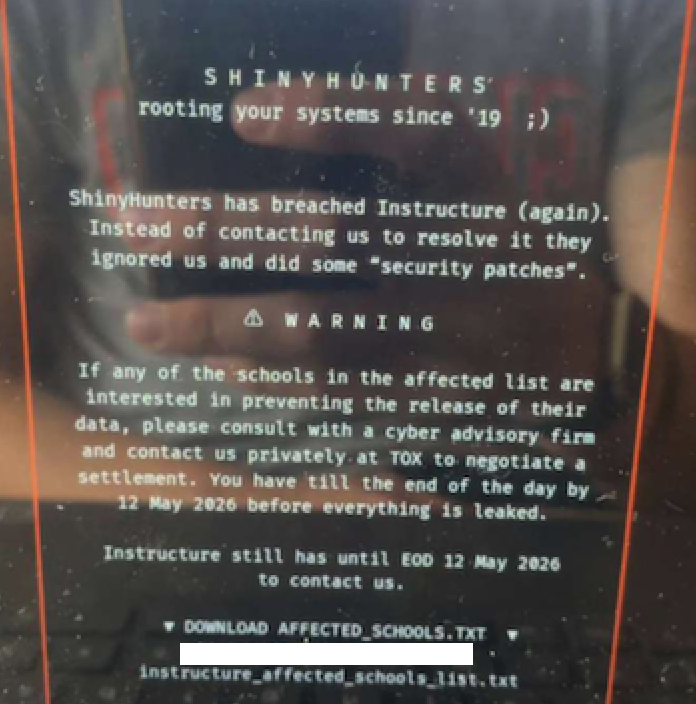
On May 7, 2025, students and faculty across the United States logging into Canvas were met with an alarming sight: the usual login page had been replaced by a ransom demand from the cybercrime group ShinyHunters. The group claimed to have stolen data from 275 million students and faculty across nearly 9,000 institutions and threatened to leak it unless a ransom was paid. Instructure, Canvas's parent company, responded by taking the platform offline, replacing the page with a maintenance notice. This attack is part of a growing trend of ransomware and data extortion targeting educational technology platforms.

2. Who Is ShinyHunters? The Group Behind the Attack
ShinyHunters is a well-known cybercriminal group that has been active since at least 2020, responsible for numerous high-profile data breaches. They typically steal databases and then demand payment to prevent the data from being leaked or sold. In this case, the group claimed responsibility for the Canvas breach and set an initial ransom deadline of May 6, later extended to May 12. The group's tactic of defacing the login page with a direct ransom message—while also advising affected schools to negotiate their own payouts—highlights their sophisticated extortion methods and willingness to target educational institutions.
3. What Data Was Stolen? (And What Wasn't)
According to Instructure's statement on May 6, the stolen information includes "certain identifying information of users at affected institutions, such as names, email addresses, and student ID numbers, as well as messages among users." ShinyHunters claims the haul also contains several billion private messages and additional contact details like phone numbers. However, the company emphasized that no evidence suggests more sensitive data—such as passwords, dates of birth, government identifiers, or financial information—was compromised. This distinction is critical: while the exposed data poses privacy risks, it likely limits immediate identity theft potential.
4. Timeline: From Breach Discovery to Service Outage
Instructure acknowledged the data breach earlier the same week, after ShinyHunters claimed responsibility. On May 6, the company stated that Canvas was fully operational and the incident was contained. But by midday on Thursday, May 7, users reported the defacement. Instructure then took Canvas offline, replacing it with a "scheduled maintenance" message. The status page currently reads, "We anticipate being up soon, and will provide updates as soon as possible." This rapid escalation—from containment to a widespread outage—underscores the difficulty of fully securing a platform after a breach.
5. Instructure's Official Response and Mitigation Steps
In its May 6 update, Instructure stated that no ongoing unauthorized activity was detected and that the incident was believed to be contained. The company disabled the platform after the defacement to prevent further exposure and began investigating the intrusion. They have not yet disclosed whether a ransom will be paid or how they plan to protect affected users. The response has drawn criticism for its timing—the outage occurred during critical exam periods—but the company emphasizes that security measures were prioritized to prevent additional data leaks.
6. The Worst Possible Timing: Disruption During Final Exams
The attack hit schools and universities at the most stressful point of the academic year: final exams. Canvas is used for submitting assignments, taking online tests, and communicating grades. With the platform offline, institutions scrambled to find alternative methods, such as email submissions or postponing exams. This disruption not only affects student performance but also damages trust in educational technology. A prolonged outage could be highly damaging for Instructure, as schools may reconsider their reliance on a single platform for critical operations during high-stakes periods.
7. Ransom Demands Directed at Schools—Not Just Instructure
In an unusual twist, the extortion message that replaced the login page directly advised affected schools to negotiate their own ransom payments with ShinyHunters, regardless of whether Instructure paid. This tactic increases pressure on individual institutions, many of which may lack the resources or insurance to handle such demands. It also shifts the liability: while the breach originated at the platform level, schools now face direct threats of data publication. This could lead to legal and financial repercussions for both Instructure and its clients.
8. Security Lessons for Educational Institutions and EdTech Providers
The Canvas breach serves as a stark reminder that no platform is immune to cyberattacks. Schools and universities must adopt robust backup plans for critical services, especially during exam periods. For edtech providers, this incident highlights the need for continuous security auditing, rapid incident response, and transparent communication with users. While the stolen data may not include highly sensitive information, the psychological and operational impact is immense. Institutions should consider implementing multi-factor authentication, data encryption, and regular security training to mitigate future risks.
Conclusion: A Wake-Up Call for Education Technology
The Canvas data extortion attack has exposed vulnerabilities in the digital infrastructure that millions of students and educators rely on daily. While Instructure works to restore service and assess the full extent of the breach, the incident underscores the urgent need for stronger cybersecurity measures across the education sector. Whether through better contingency planning, increased investment in security, or regulatory changes, this breach should serve as a catalyst for fundamental improvements. For now, schools and families can only wait—and hope their data stays safe.
Related Articles
- Major Cyberattack Disrupts Canonical Services: Ubuntu Website, Snap Store, and Launchpad Affected
- Building a Holistic Security Detection Strategy: Data Sources Beyond the Endpoint
- 6 Game-Changing Facts About Automation and AI in Cybersecurity
- Active Exploitation of Critical Ivanti Flaw, Major Data Breaches, and Novel AI Threats Highlight This Week's Cybersecurity Landscape
- Mastering Peristaltic Pumps: Key Questions and Expert Answers
- Why de-Googled Android Users Are Facing reCAPTCHA Issues
- 8 Critical Cyber Threats You Must Know About This Week
- PyTorch Lightning and Intercom-client Packages Compromised in Credential-Stealing Supply Chain Attack