Reimagining Unity: A Modern Take on Ubuntu's Classic Desktop
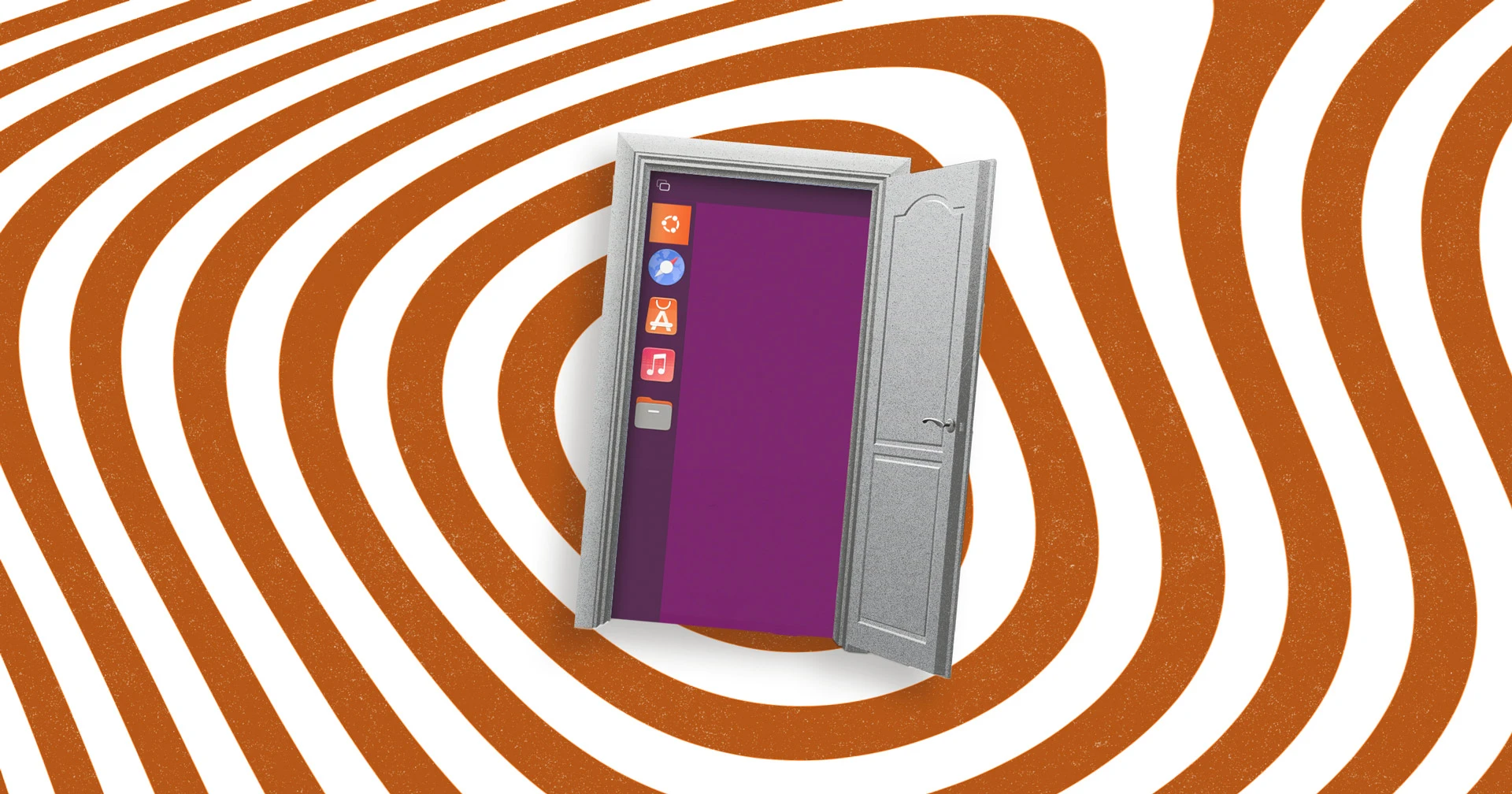
Remember Ubuntu's Unity desktop? Canonical abandoned it years ago after a costly smartphone detour, but a community developer named Muqtxdir has brought it back to life—with a modern twist. Using cutting-edge technologies like Wayfire (a Wayland compositor) and Libadwaita (the GTK4 widget library behind GNOME 42+), this project reimagines what a contemporary Unity shell could look like. Below, we explore the key questions surrounding this fascinating homage to Ubuntu's design heritage.
What Was Unity Desktop and Why Did Canonical Stop Using It?
Unity was Ubuntu's own desktop environment, introduced in 2011 to unify the traditional desktop with touch-friendly interfaces. It featured a global menu, a left-side launcher, and the HUD (Head-Up Display) for quick command access. Canonical poured massive resources into Unity during its mid-2010s smartphone pivot (Ubuntu Touch), aiming to create a single convergent OS. However, the smartphone venture burned cash and goodwill without gaining traction. By 2017, Canonical returned focus to GNOME, dropping Unity entirely. The decision shocked many fans, who felt Unity was ahead of its time—especially its efficient use of screen space and integrated search.

Who Is Muqtxdir and What Have They Created?
Muqtxdir is a dedicated member of the Ubuntu community, known for maintaining the popular Yaru theme and contributing to the immutable Vanilla OS Linux distribution. They recently shared a video demonstrating a "re-building ubuntu's unity shell in a wayfire session through gtk4-layer-shell and libadwaita widgetry". In essence, Muqtxdir has replicated Unity's iconic panel, launcher, and HUD-like search using modern technologies: Wayfire as a wayland compositor, and Libadwaita for polished, adaptive widgets. The result is a functional, visually cohesive desktop that feels like a natural evolution of the original Unity—without relying on Canonical's old codebase.
How Does This Remake Differ from the Original Unity?
While the new project captures Unity's essence—the left-side dock, top panel with global menu indicators, and a HUD-style search overlay—it differs in several key ways. First, it's built on Wayfire, a Wayland compositor, not Xorg, which means better security, smoother rendering, and modern display protocols. Second, it uses Libadwaita and GTK4, giving it a fresh, rounded appearance that matches current GNOME apps—unlike the old Unity's more angular, GTK3 looks. Third, it's not a full desktop environment but a compositor configuration, so it integrates with existing GNOME stack elements like the file manager or settings. Most importantly, it's a community effort—lean and customizable—whereas Canonical's Unity was a monolithic, resource-heavy project.
What Is Wayfire and Why Was It Chosen for This Project?
Wayfire is a lightweight, modular Wayland compositor designed for flexibility and eye candy. It supports plugins for window management, animations, and desktop effects—much like Compiz, which Unity originally used. Muqtxdir chose Wayfire because it provides the low-level control needed to implement Unity's custom window decorations and launcher behavior without patching GNOME Shell. Wayfire also handles multi-monitor setups and high-DPI displays well, aligning with modern hardware expectations. By using Wayfire, the remake stays pure Wayland, avoiding legacy X11 quirks, and keeps the desktop responsive even on modest hardware.
What Role Does Libadwaita Play in the New Unity Experience?
Libadwaita is the official widget library for GNOME 42 and later, providing a consistent, adaptive look and feel. In this Unity remake, Libadwaita handles the styling of panels, menus, and dialog boxes—ensuring they match the current GNOME app ecosystem. The gtk4-layer-shell extension allows these Libadwaita widgets to be drawn directly on the Wayland layer surfaces (like a top panel or dock), bypassing traditional window management. This combination gives the desktop a sleek, modern appearance with smooth transitions, rounded corners, and intelligent spacing—similar to what you'd see on a smartphone or tablet. It also simplifies theme maintenance, because Libadwaita inherits colors from the system GTK theme (like Yaru).
Can Users Actually Install and Use This New Unity Desktop?
As of now, Muqtxdir's project is a proof of concept shared via video and possibly configuration files. It is not a ready-to-install package for everyday use. However, the components are all open-source: you can set up Wayfire, install the required gtk4-layer-shell dependencies, and replicate the configs—provided you have the expertise. The community is actively discussing how to make it more accessible, perhaps as a custom session option in Ubuntu or Vanilla OS. Until then, it serves as an inspiring demonstration of what's possible when you mix nostalgia with modern Linux graphics stacks. For now, adventurous users can experiment by cloning Muqtxdir's GitHub repositories.
What Does This Remake Tell Us About Unity's Potential Evolution?
If Canonical had continued Unity development, this project gives a strong hint: a Wayland-native, Libadwaita-themed Unity that seamlessly blends with the modern GNOME ecosystem. The use of Wayfire as a plugin-driven compositor mirrors Unity's original reliance on Compiz, but with years of architectural improvements. The sleek Libadwaita interface suggests that Unity would have moved toward adaptive design—perhaps even converging with mobile interfaces again, but on a more sustainable technological foundation. Moreover, the fact that a single developer can recreate core Unity functionality shows how far open-source toolkits have come. It also fuels hope that a full, user-friendly revival could happen—much like the community-driven Cinnamon desktop emerged from GNOME 3's early days.
How Has the Community Reacted to This Unity Homage?
Reactions on forums and social media have been overwhelmingly positive. Many long-time Ubuntu users express nostalgia and excitement, calling it "the Unity we deserved" and a "spiritual successor." Developers admire the clever use of Wayfire and Libadwaita, noting it's a cleaner approach than patching GNOME Shell. Some critics point out that it's still far from a full replacement—missing features like workspace switcher animations, integrated Unity Dash (though HUD is there), and seamless indicator integration. Yet overall, the project has spurred discussions about bringing back Unity as an official Ubuntu flavor or optional session in future releases. It's a testament to the passion that still exists for what some consider Ubuntu's golden era.
Related Articles
- Linux Kernel Introduces a 'Kill Switch' for Critical Security Flaws
- ARCTIC Fan Controller Driver Set to Debut in Linux Kernel 7.2
- Automating Hyperscale Efficiency: A Step-by-Step Guide to Meta's AI-Powered Capacity Optimization
- Linux Mint Introduces Regular HWE ISOs: What You Need to Know
- How to Leverage Linux Mint HWE ISOs for Better Hardware Support on New Machines
- Major Linux Distributions Roll Out Critical Security Patches for Multiple Packages
- Bringing Linux to Windows 95: The Windows 9x Subsystem for Linux Explained
- Ubuntu and Canonical Remain Down After Sustained DDoS Attack