China's EV Revolution: Gas Vehicle Sales Plunge 37% as Plug-ins Dominate Top 10
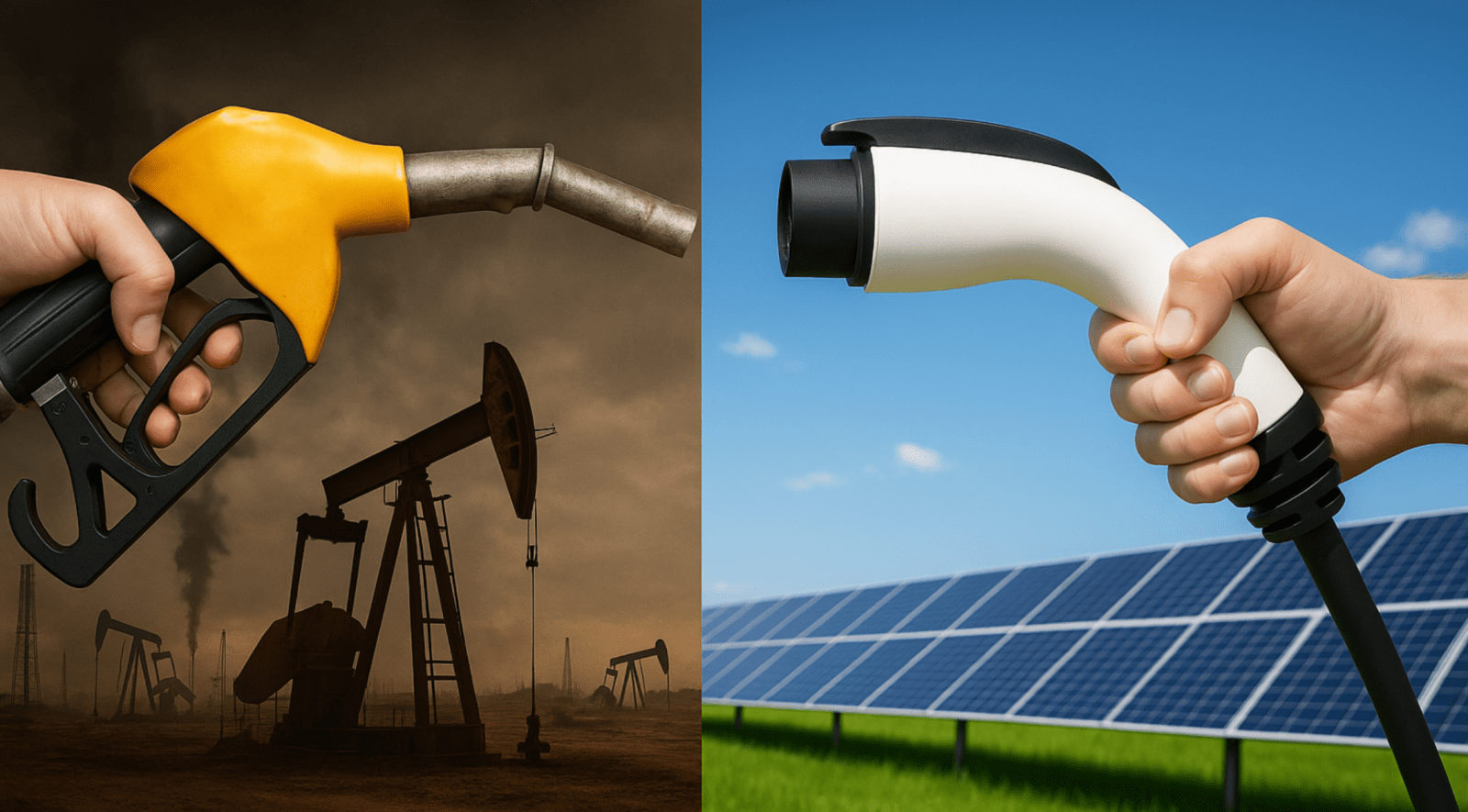
The world's largest auto market is undergoing a seismic shift. In April, sales of gasoline-powered cars in China plummeted by 37% compared to the same month last year, signaling an accelerating transition toward electric mobility. Even more striking, nine out of the top ten best-selling vehicles in the country were plug-in models — a clear indication that the era of the internal combustion engine (ICE) is rapidly closing in this pivotal market.
The Numbers: A Market in Transition
China has been the epicenter of electric vehicle (EV) adoption for years, but the latest data reveals a tipping point. The 37% year-over-year decline in gasoline car sales is not just a temporary dip; it reflects a structural change in consumer preferences and government policy. Here's a closer look at the breakdown:
Year-over-Year Comparison
In April of the previous year, gasoline cars still held a significant share of new vehicle registrations. Fast forward to April this year, and the landscape is transformed. The drop is unprecedented in scale and speed, outpacing even the most optimistic forecasts from industry analysts.
Market Share Shift
Among the top ten selling vehicles, only one model relied solely on an internal combustion engine. The remaining nine were various forms of plug-in hybrids (PHEVs) or battery electric vehicles (BEVs). This overwhelming dominance underscores a rapid market realignment, where plug-ins have become the new normal for Chinese car buyers.
Why Gas Cars Are Losing Ground
Several factors are driving this change, creating a perfect storm for ICE vehicles. Let's explore the key reasons behind the shift.
Government Policies and Incentives
Beijing has long championed the transition to EVs through generous subsidies, tax breaks, and a robust regulatory framework. New energy vehicles (NEVs) — a category that includes BEVs, PHEVs, and fuel-cell cars — enjoy benefits such as free license plates (which in some cities can cost thousands of dollars), lower purchase taxes, and access to restricted driving zones. Moreover, increasingly stringent emission standards are pushing automakers to electrify their lineups.
Consumer Preferences and Technology
Chinese consumers have embraced the latest EV models, drawn by impressive range, cutting-edge infotainment, and lower operating costs. Local brands like BYD, Nio, and XPeng have invested heavily in technology, delivering vehicles that often outshine their gasoline counterparts in performance and features. The rise of affordable long-range EVs has also made them a practical choice for everyday use.

Expanding Charging Infrastructure
China now boasts the world's largest network of public charging stations, with millions of units installed nationwide. This infrastructure growth has alleviated range anxiety, a major barrier to EV adoption only a few years ago. As charging becomes as convenient as refueling, the practical argument for owning a gas car weakens further.
Implications for the Global Auto Industry
The data from China sends a powerful signal to automakers worldwide. If the largest car market is rapidly pivoting away from gasoline, then the future of mobility is electric — and soon. Legacy manufacturers that have lagged in EV development may face an existential crisis, while those who invest now can capture a piece of a growing pie. Global supply chains for batteries, semiconductors, and rare earth minerals are already being reshaped to meet Chinese demand.
Furthermore, this trend could accelerate the adoption of EVs in other regions, as the scale and experience gained in China drive down costs and improve technology globally. The 37% drop is not just a statistic; it's a forecast for what may unfold in Europe, North America, and beyond within the decade.
What This Means for the Future of Mobility
With plug-in vehicles now dominating the top sales chart, the internal combustion engine is being phased out faster than many anticipated. While gasoline cars won't disappear overnight, their role as the default choice is over in China. The implications for oil demand, urban air quality, and the global energy transition are profound.
For consumers, this means a future with more choices, lower running costs, and cleaner air. For policymakers, it's a vindication of strong industrial strategy. And for the world, it's a clear sign that the ICE age is truly coming to an end.
Related Articles
- MOFT Finally Launches MagSafe Wallet with Kickstand and Find My Support
- Rust WebAssembly Targets to Drop Crucial Compatibility Flag, May Break Existing Projects
- Beyond the Build: Why Distribution Is the Real Challenge for Micropayment Products
- Apple to Let Users Pick Their Own AI Assistant at WWDC 2026 — A Strategic Leap in AI Deployment
- 10 Hidden Dangers of Low-Trust Websites: How to Spot and Avoid Them
- Major Mining Powerhouses Unite Behind Stratum v2: What It Means for Bitcoin Mining
- Elon Musk vs. OpenAI: Trial Week 2 Reveals Conflict Over For-Profit Shift and CEO Recruitment
- Wholesale Electricity Price Crash Threatens Renewable Energy Investment, Experts Warn