Tesla Semi Reaches Production Milestone: High-Volume Manufacturing Begins at Gigafactory Nevada
After years of anticipation and multiple delays, the Tesla Semi has finally achieved a major milestone: the first vehicle has rolled off its dedicated high-volume production line at Gigafactory Nevada. This marks the beginning of serial production for the all-electric heavy-duty truck, signaling Tesla's commitment to transforming freight transportation. Below, we answer key questions about this breakthrough and what it means for the future of electric trucks.
What is the significance of Tesla producing the first Semi from its high-volume line?
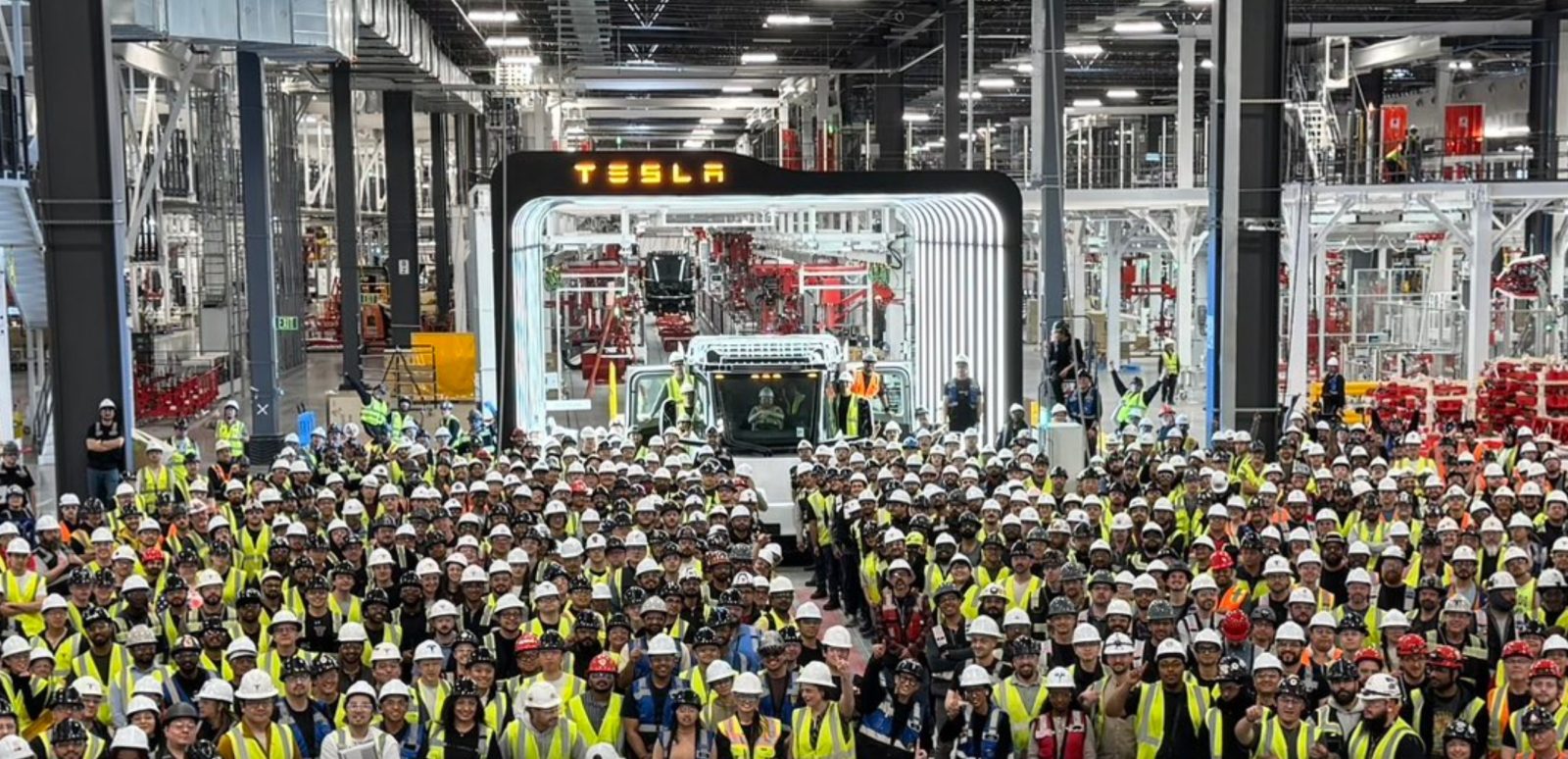
The production of the first Tesla Semi from the new high-volume assembly line is a critical step forward for the company's electric truck program. It moves the vehicle from limited prototypes and low-volume builds to a stage where it can be manufactured in significant numbers, enabling broader customer deliveries. This milestone suggests that Tesla has resolved previous manufacturing challenges and is scaling up to meet demand. For an industry that has watched the Semi’s development since its 2017 reveal, this transition from pilot to mass production validates the truck’s design and Tesla’s ability to produce commercial vehicles at scale. It also signals that Tesla expects to deliver units to customers soon, finally fulfilling pre-orders from major fleets like PepsiCo and Walmart.
Where is the Tesla Semi’s high-volume production line located?
The high-volume production line for the Tesla Semi is situated at Gigafactory Nevada (also known as Gigafactory 1), Tesla’s massive battery and powertrain facility near Reno. This factory was originally built to manufacture battery packs and electric vehicle components, but Tesla has repurposed a portion of it into a dedicated Semi manufacturing area. The decision to produce the Semi at this location leverages existing infrastructure and proximity to battery cell production, which is crucial for a vehicle that requires a large battery pack. The factory’s location also offers logistical advantages for shipping trucks to customers across North America.
What is the scale of the facility dedicated to Semi production?
According to Tesla, the production line occupies a 1.7-million-square-foot space within Gigafactory Nevada. This enormous area is specifically tailored for assembly of the all-electric Class 8 truck. To put that in perspective, 1.7 million square feet is larger than 30 American football fields, highlighting the immense manufacturing capacity needed for heavy-duty vehicles. This dedicated space likely includes stamping, welding, painting, and final assembly lines, as well as quality control and testing stations. Such a footprint suggests Tesla is aiming for high annual production volumes, possibly in the tens of thousands of units per year, once the line is fully ramped.
What challenges has the Tesla Semi program faced before this milestone?
The Tesla Semi program has experienced several delays since its announcement in 2017. Originally slated for production in 2019, the truck was pushed back multiple times due to technical hurdles, supply chain issues, and a focus on other vehicle launches like the Model 3 and Model Y. Early prototypes underwent extensive testing, but scaling up the battery pack (reported at around 500 kWh or more) and ensuring adequate range—targets of 300 and 500 miles—required breakthroughs in cell chemistry and manufacturing. The recent milestone indicates Tesla has overcome many of these obstacles, likely benefiting from improvements in its 4680 battery cells and large casting techniques. However, challenges such as charging infrastructure for heavy trucks and regulatory approvals still lie ahead.

What are the key specifications of the Tesla Semi?
While Tesla has not released full updated specs, the Semi is expected to offer a 500-mile range with a fully loaded weight of 80,000 lbs. It uses three independent electric motors—one for continuous highway speed and two for acceleration and regenerative braking. The truck boasts a 0-60 mph time of 20 seconds while hauling a full load, and a drag coefficient of 0.36, making it one of the most aerodynamic trucks on the market. Power comes from a large battery pack (likely over 1,000 kWh in the top version), enabling fast charging via Tesla’s Megacharger network. Inside, the driver sits centrally, with a 15-inch touchscreen display and advanced safety features like enhanced autopilot. These specs aim to significantly reduce operating costs compared to diesel, with Tesla claiming up to $200,000 in fuel savings over three years.
How does this production milestone impact Tesla's commercial vehicle ambitions?
Rolling the first Semi off the high-volume line is a pivotal moment for Tesla’s entry into the commercial trucking sector. It demonstrates that Tesla can now produce heavy-duty electric trucks at scale, moving beyond niche prototypes. This progress could accelerate fleet adoption, since customers need assurance of reliable supply. It also puts pressure on legacy truck makers like Daimler and Volvo to speed up their own electric truck programs. Moreover, success with the Semi could encourage Tesla to expand into other commercial vehicles, such as a smaller delivery truck or bus. For Tesla investors, this milestone represents a new revenue stream and a step toward dominating not just passenger cars but the entire transportation ecosystem. However, the company must still navigate production ramp-up challenges and build out the Megacharger network to support long-haul operations.
Explore more about the Tesla Semi’s journey: Production significance | Factory location | Facility scale | Program delays | Specifications.
Related Articles
- Harvesting Energy from the Environment: Meet the Winners of the 2026 Green Powered Challenge
- BMW Unveils 2027 iX3 Preorders: $61,500 Starting Price, 434-Mile Range Shatters Expectations
- Lexus Enters the Three-Row Electric SUV Arena: Everything We Know So Far
- Dart and Flutter's AI Roadmap for 2026: Navigating Trust, Productivity, and the Agentic Shift
- Streamlining Large-Scale Dataset Migrations with Honk, Backstage, and Fleet Management
- The Global Net-Zero Landscape: Why the UK Is Not Alone
- Tesla's Self-Driving Taxi Fleet Expands: Unsupervised Mileage Surges Amid Previous Setbacks
- Coalition's Climate Policy Mirrors One Nation and Trump, Experts Warn