Adidas Adizero Adios Pro Evo 3: The 97-Gram Shoe That Shattered the Two-Hour Marathon Barrier
A New Era in Marathon Footwear
On April 26, 2026, history was made at the London Marathon. Kenya's Sabastian Sawe crossed the finish line in an astonishing time of 1:59.30, becoming the first runner ever to break the two-hour barrier in an official race. As he celebrated, an Adidas representative promptly collected his shoes, noted the record time on them, and rushed them to the company's archives in Herzogenaurach, Germany. That shoe—the Adidas Adizero Adios Pro Evo 3—instantly became the fastest ever worn in competition.
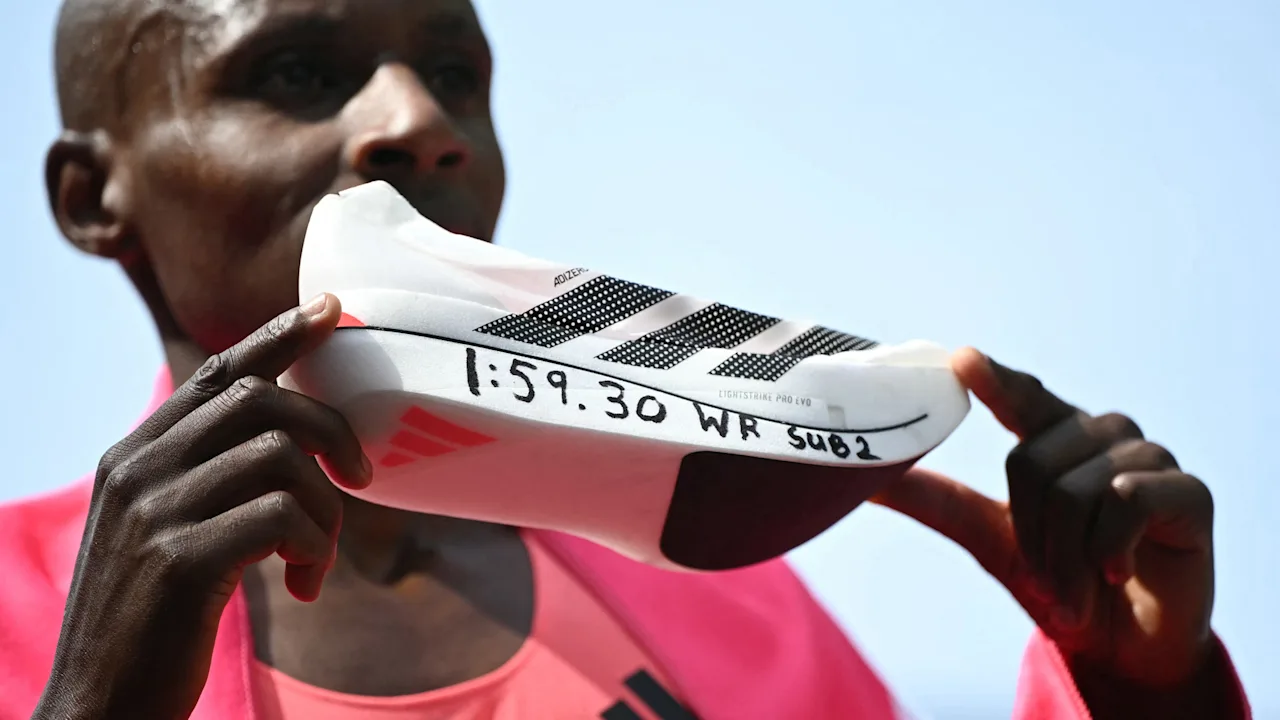
Record-Breaking Debut
Sawe's achievement was not an isolated feat. Ethiopia's Yomif Kejelcha followed closely with a time of 1:59.41, while fellow Ethiopian Tigist Assefa set a women's world record of 2:15.41. All three athletes are official Adidas partners and wore the Evo 3. The shoe, unveiled just days before the race on April 23, is the lightest and fastest race shoe Adidas has ever created—weighing a mere 97 grams (about 3.4 ounces), less than a standard bar of soap.
In the immediate aftermath, demand skyrocketed. Marc Makowski, Adidas's SVP of innovation, revealed that an initial limited release of 200 pairs sold out in under two minutes, with resale prices already reaching up to $4,000 online. The company plans to drop several more limited runs in the coming months, followed by a broader commercial iteration around the Berlin Marathon in September.
The Supershoe Battleground
For Adidas, the Evo 3's success is about far more than sales. It represents a decisive statement in the fiercely competitive world of marathon innovation. As Makowski puts it, Marathon racing is, in our industry, a bit like F1 in the automotive industry. It's become that battleground where, as a brand, if you want to showcase your performance credibility, that's where you do it.
This race has seen rival brands pushing boundaries: Nike with its Alphafly 3 (worn by former record-holder Kelvin Kiptum), On with its LightSpray technology, and Asics with the Metaspeed Edge. For now, though, Adidas holds the lead.
Engineering the Lightest Race Shoe
The development of the Evo 3 is the culmination of over three years of work under the Adizero Adios Pro program. The core insight? Less is more. Like F1 engineers, the team realized that even the smallest design details can have a tide-turning impact on performance.
To achieve its ultra-light weight, Adidas employed a minimalist upper made from a single piece of breathable mesh, with no traditional padding or overlays. The midsole features a new foam formulation—Lightstrike Pro 2.0—that provides maximum energy return while minimizing mass. The outsole is reduced to strategic rubber placements, with grooves carved out wherever possible. Every gram was scrutinized and, if non-essential, removed.
The result is a shoe that feels almost nonexistent on the foot, yet delivers the responsive propulsion elite athletes need to maintain world-record pace. Makowski notes that the Evo 3 is designed to work in harmony with the runner's natural biomechanics, reducing fatigue and increasing efficiency over the punishing 42.195-kilometer distance.
A New Standard
The Evo 3's impact extends beyond elite racing. Its technology will trickle down to consumer models, raising the bar for everyday runners. While the current limited-edition pairs are collector's items, the upcoming commercial version promises to make sub-two-hour marathon performance accessible to more athletes.
For now, the shoe sits in Adidas's archives, a symbol of what's possible when innovation meets determination. But its legacy is already written: the 97-gram wonder that changed marathon history.
Related Articles
- Mastering Flutter 3.44: A Developer’s Step-by-Step Guide to the Latest Features
- Flutter 3.44 Makes Swift Package Manager the Default: What Developers Should Do
- Google Reduces Free Storage to 5GB for New Accounts: What You Need to Know
- Unlocking Your iPhone's Secret Features: A Q&A Guide
- Creating a SwiftUI Document Scanner with Smart Auto-Capture and PDF Export
- From Vibe Coding to App Store: A Guide to Developing AI Apps on iOS with Replit
- Apple Discontinues Top-Tier Mac Studio Memory Configurations Amid Supply Shortages and AI Demand Surge
- Data Normalization: Why It Matters for Reporting and AI Governance