Australia Surpasses 400,000 Home Battery Installations: A New Era for Residential Energy Storage
A Surge in Home Battery Adoption
Australia has reached a remarkable milestone in its clean energy journey: more than 400,000 home battery systems are now installed across the country. This surge, driven by falling costs and growing environmental awareness, continues unabated even as government rebate programs evolve. The figure not only highlights the rapid uptake of residential storage but also positions home batteries as a key component of the nation's energy transition.
According to recent data, the pace of installations has accelerated over the past year, with thousands of households adding batteries each month. This growth is particularly notable given the shifting landscape of state-based incentives, which have been adjusted to better target long-term energy savings and grid stability. Homeowners are increasingly recognizing the value of storing solar energy for use during peak times or power outages.
Comparing Residential and Grid-Scale Storage
One of the most striking aspects of this achievement is the scale of capacity. The cumulative storage capacity from residential batteries now matches that of all grid-scale batteries installed in Australia over the past year. This parity underscores the collective impact of distributed energy resources. While large-scale projects like the Hornsdale Power Reserve grab headlines, the distributed network of home systems offers unique advantages, such as reduced transmission losses and enhanced local resilience.
Experts note that residential batteries can respond quickly to grid signals, helping to stabilize frequency and voltage. When aggregated, they form a virtual power plant capable of delivering significant services to the electricity market. This trend aligns with the Australian Energy Market Operator's (AEMO) vision of a more decentralized, flexible grid.
Impact of Rebate Changes
The continued surge in installations comes despite changes to popular rebate programs. For instance, some states have introduced means-testing or reduced upfront subsidies, shifting the focus toward financing options and performance-based incentives. While some predicted a slowdown, the market has proven resilient. Lower battery costs, improved technology, and rising electricity prices have compensated for reduced subsidy levels.
Industry analysts point out that batteries are now more affordable than ever, with prices dropping by roughly 30% over the past five years. Additionally, newer models offer longer warranties and deeper cycling capability, increasing their appeal to cost-conscious consumers. The rebate changes have also encouraged innovation, with companies offering zero-interest loans and lease-to-own arrangements.
Minister Bowen’s Perspective
Climate Change and Energy Minister Chris Bowen hailed the milestone as a testament to Australians embracing cleaner energy solutions. In a statement, he emphasized that home batteries not only lower household bills but also contribute to national climate goals. “Reaching 400,000 installations is a remarkable milestone,” Bowen said. “It shows that Australians are leading the charge in adopting smart, clean technology that benefits both their wallets and the environment.”
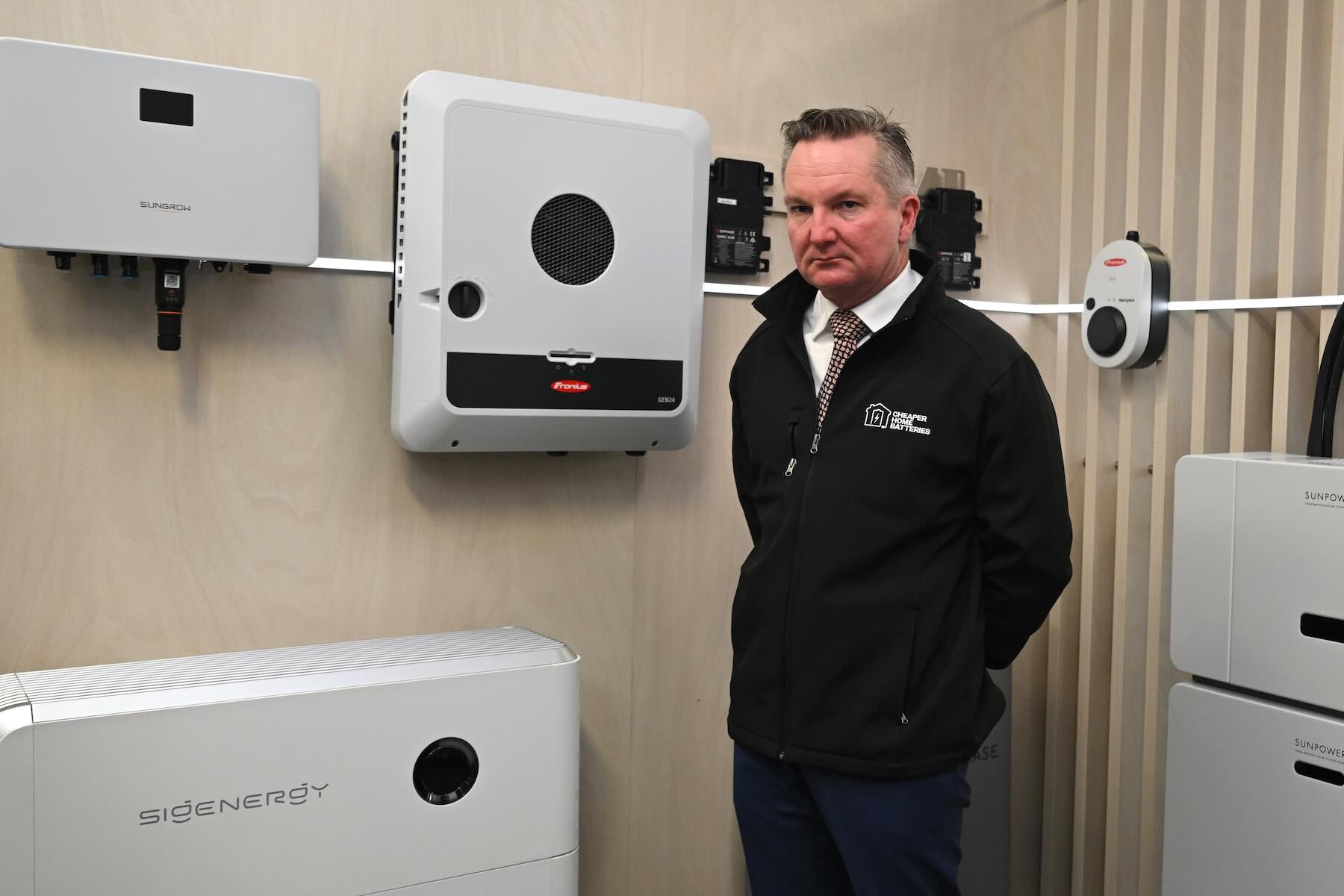
Bowen also linked the growth to the government’s broader strategy of boosting renewable energy storage. He noted that every home battery reduces the need for fossil-fuel peaking plants, speeding up the transition to net-zero emissions. The minister’s comments reflect a policy environment increasingly supportive of distributed energy resources.
What This Means for Australia’s Energy Future
The 400,000 milestone is more than a number; it signals a shift in how Australians generate and consume electricity. With battery storage becoming mainstream, households are turning into active participants in the energy market. Programs that offer feed-in tariffs for stored energy, such as those in South Australia and Victoria, are gaining traction. This trend is expected to continue as the government explores new market mechanisms for distributed storage.
Looking ahead, the cumulative capacity of home batteries could soon rival that of several large coal-fired power stations. This would enable greater integration of rooftop solar, reducing curtailment during sunny days. Moreover, as electric vehicle adoption grows, vehicle-to-home (V2H) technology will further blur the lines between mobility and stationary storage.
In conclusion, the 400,000 home battery installations mark a turning point in Australia’s energy landscape. Driven by consumer demand and supportive policies, residential storage is no longer a niche option but a cornerstone of the clean energy transition. With continued innovation and smart regulation, the next million installations may arrive even faster.
Related Articles
- How Battery Storage is Displacing Gas Peaker Plants: A Step-by-Step Guide to the Energy Transition
- How to Prepare for a Global Food and Energy Crisis: A Step-by-Step Guide
- Strategic Petroleum Reserve: 17.5 Million Barrels Released in One Month
- Mastering Your Focus: A Comprehensive Guide to the AUTEUR E Ink Typewriter
- The True Cost of Training Your Own LLM: Beyond the Viral Tutorial
- How Toyota's Tahara Plant Achieved Carbon Neutrality: A Step-by-Step Guide
- Flutter and Dart Take Center Stage at Google Cloud Next 2026: Key Announcements and Highlights
- Upgrading Budget Solar Lights: Adding Smart Features