Shipwreck Shift Cuts Taiwan Undersea Cable: Emergency Microwave Links Restored
In a surprising turn of events, a decades-old shipwreck dragged by fierce storms has snapped a critical fiber-optic cable connecting two strategically important Taiwanese islands. The incident knocked out communications between Dongyin and Beigan, located near the Chinese mainland and the northern entrance of the Taiwan Strait. Both islands host substantial Taiwanese military deployments. To prevent a total blackout, authorities quickly switched to microwave relay systems as a temporary fix. This Q&A breaks down what happened, why it matters, and how the region is coping.
What exactly occurred with the undersea cable?
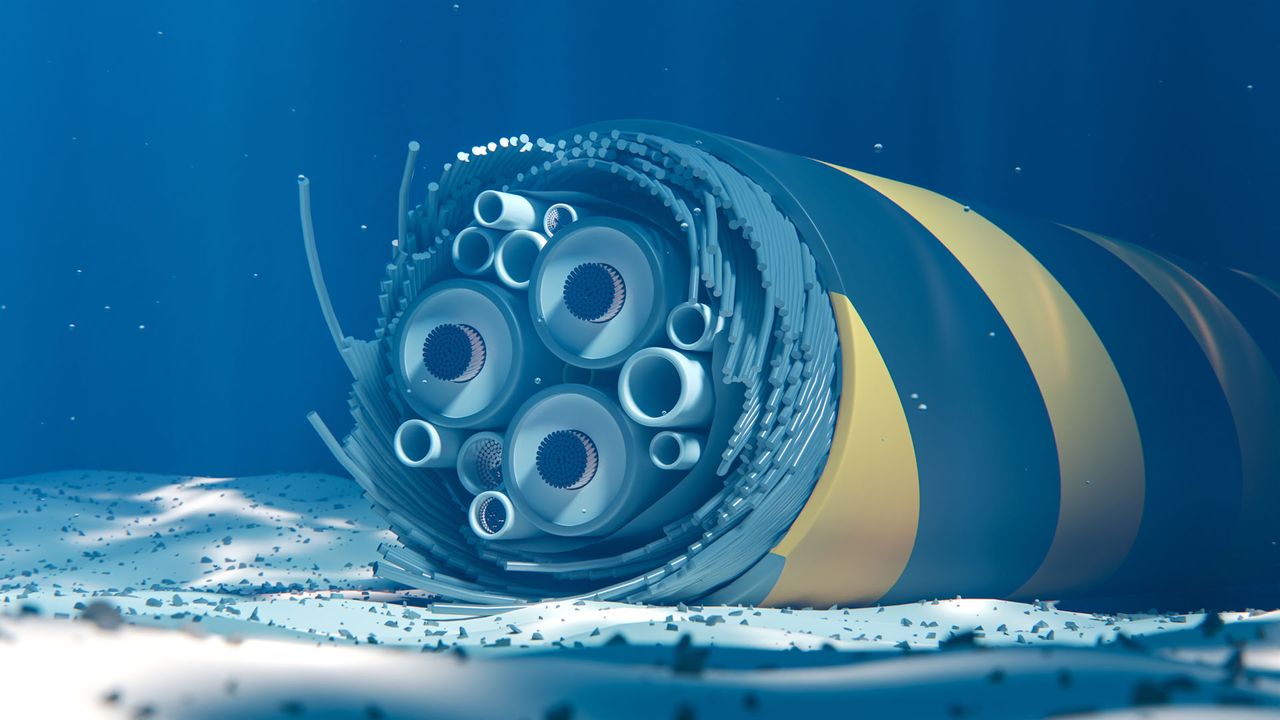
Severe weather conditions—likely strong currents and heavy seas—caused a sunken shipwreck to move from its long-settled position on the seabed. As it lurched, the wreckage snagged and sliced through a submarine communications cable that linked Dongyin and Beigan islands. This cable was a primary conduit for internet, phone, and data traffic between the two outposts. The break was sudden, leaving both islands without their normal digital connection. Technicians quickly identified the cause: the displaced hulk of an old vessel that had been resting on the ocean floor for years, undisturbed until the recent storm.
Where are Dongyin and Beigan located, and why are they important?
Dongyin and Beigan are part of the Matsu archipelago, a cluster of islands administered by Taiwan but lying just a few kilometers off China’s Fujian coast. They sit strategically at the northern mouth of the Taiwan Strait, a vital sea lane for regional trade and military movements. Because of their proximity to mainland China, both islands are heavily fortified with Taiwanese armed forces, including radar stations, artillery, and garrison troops. This military presence makes reliable communications not just a convenience but a tactical necessity. Any disruption in connectivity could affect command-and-control operations as well as the daily lives of the civilian population.
How did an old shipwreck manage to sever a modern cable?
Underwater cables are typically buried beneath the seabed or armored to withstand natural hazards. However, they remain vulnerable if heavy objects—like a shipwreck—shift unexpectedly. In this case, the wreck had lain on the seafloor for an unknown number of years, likely rusting and weakening. Strong currents and storm surges generated by bad weather eventually dislodged it. As the wreck dragged across the bottom, its jagged metal sections acted like a plow, cutting through the fiber-optic line. Such incidents, though rare, remind engineers that even well-protected cables can be damaged by mobile debris in turbulent waters.
What backup systems were activated to keep the islands connected?
As soon as the cable was severed, authorities switched to emergency microwave communication links. These terrestrial radio systems transmit signals between towers on Dongyin and Beigan, using line-of-sight paths instead of physical wires. While microwave links can handle voice and data, they have much lower bandwidth than fiber optics, so internet speeds may slow and some services might be limited. Nevertheless, the backup proved sufficient to keep essential government, military, and public communications alive. Engineers are now working to repair the damaged cable, but deep-sea conditions and the need to potentially move the shipwreck could delay full restoration.

Why is there such a heavy military presence on these islands?
Dongyin and Beigan lie just a few nautical miles from China’s coast, placing them on the front line of cross-strait tensions. Taiwan views these outposts as early-warning stations and defensive bastions against any potential amphibious assault from the mainland. As a result, they host significant troop numbers, artillery batteries, radar installations, and even anti-ship missile systems. The military also uses the islands to monitor air and sea traffic in the Taiwan Strait. Any communications breakdown—even a temporary one—could hamper the military′s ability to coordinate responses or relay intelligence.
What are the implications of this incident, and how long will repairs take?
While the immediate impact has been mitigated by microwave backup, the severed cable highlights the fragility of undersea infrastructure in politically sensitive zones. A prolonged outage could affect military readiness and civilian morale. Repairing the cable requires specialized ships, remotely operated vehicles, and divers. Engineers must first locate the precise break point, then either splice the cable or replace the damaged section. If the shipwreck still poses a threat, it may need to be moved or stabilized—a complex operation. Estimates suggest repairs could take weeks, though authorities have not given a firm timeline.
Related Articles
- How to Get Ready for the Apple Watch Series 12 and watchOS 27 Launch
- Apple's Latest Software Updates Patch Over 50 Security Vulnerabilities Across Devices
- 10 Key Insights Into ZenBusiness’s AI-Powered Infrastructure for Business Formation and Compliance
- How to Obtain a Driverless Testing Permit for Robotaxis in California
- iOS 27: New Siri App, Satellite Upgrades, and a Focus on Stability
- Astropad Unveils Workbench App for Remote AI Agent Control, Pairs with Mac Mini Giveaway
- A Step-by-Step Guide to Uncovering National Digital Complexity with GitHub Innovation Graph Data
- Kubernetes v1.36 GA: Volume Group Snapshots Explained