Tesla Semi Milestone: 6 Key Facts About the First High-Volume Production Truck
After years of anticipation and delays, Tesla has achieved a critical milestone in its electric truck program. The company announced that the first Tesla Semi has rolled off its new high-volume production line at Gigafactory Nevada. This event marks the beginning of volume production for the long-awaited heavy-duty electric truck. To understand the significance of this achievement, here are six essential facts you need to know about the Tesla Semi's journey to production.
1. The First Truck Off the Line
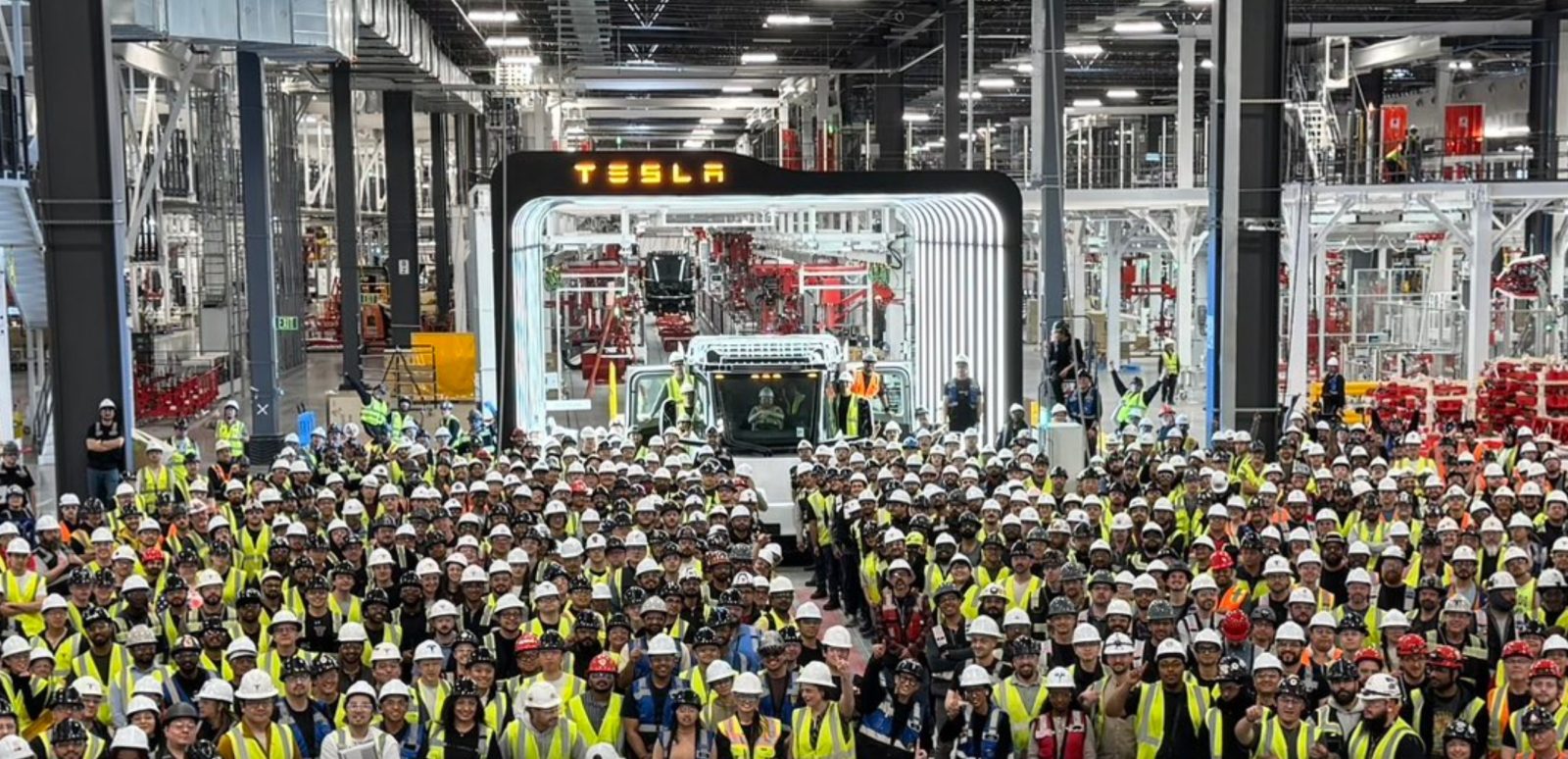
Tesla officially confirmed the production milestone by sharing an image of the first Semi truck on its official Tesla Semi account on X (formerly Twitter). This truck is the first unit to come off the dedicated high-volume production line, signaling that Tesla has moved beyond pilot builds and into mass manufacturing. The image showed the truck in its final form, ready for delivery. This event is a turning point for the program, which has faced multiple delays since its 2017 unveiling.
2. High-Volume Production Line
The Semi is being built on a new, high-volume production line at Gigafactory Nevada. This manufacturing line is designed specifically for the Semi's unique requirements, including its large battery pack and advanced drivetrain. The high-volume designation means Tesla expects to produce thousands of units per year, aiming to meet initial orders from companies like PepsiCo and Walmart. The line leverages automation and Tesla's expertise in scaling production efficiently.
3. Gigafactory Nevada Expansion
Gigafactory Nevada, located near Reno, has been primarily known for battery cell and pack production. With the Semi program, Tesla has expanded the facility to include a 1.7-million-square-foot factory dedicated to truck assembly. This expansion underscores Tesla's commitment to vertical integration and domestic manufacturing. The location also benefits from proximity to Tesla's battery supply chain, reducing logistics costs.
4. Overcoming Long Delays
The Tesla Semi was first unveiled in 2017 with initial production targets set for 2019. However, technical challenges, supply chain issues, and the need to prioritize other models (like the Model Y and Cybertruck) pushed the timeline back repeatedly. This milestone represents a major step in overcoming those delays. The program's slow progress had led to skepticism among analysts, but the start of high-volume production suggests that Tesla has finally resolved the key bottlenecks.

5. A Glimpse at the Factory
In its announcement, Tesla did not provide extensive details about the factory or production process, but the shared image gave a sneak peek at the truck inside the assembly facility. The factory floor appeared modern and well-organized, with overhead cranes and conveyor systems visible. The image also highlighted the Semi's distinctive aerodynamic design, including a centrally positioned driver seat. This limited glimpse suggests Tesla is leveraging lessons from its automotive and energy product lines to optimize truck manufacturing.
6. What This Means for Electric Trucking
The start of high-volume Tesla Semi production is a significant development for the electric trucking industry. It demonstrates that large-scale electric heavy-duty trucks are feasible for commercial use. The Semi claims a range of up to 500 miles on a single charge, with ultra-fast charging capability. This could reduce operating costs for fleets while cutting emissions. However, challenges remain, including charging infrastructure and total cost of ownership. Still, this milestone moves the industry closer to widespread adoption.
In conclusion, the first Tesla Semi rolling off the high-volume production line at Gigafactory Nevada is a landmark achievement for Tesla and the electric vehicle industry. It validates years of development and opens the door to cleaner, more efficient trucking. As production ramps up, this milestone is likely to accelerate the transition to sustainable freight transport. For updates on delivery timelines and future developments, follow Tesla's official channels.
Related Articles
- ESS Partners with Alsym Energy to Produce Sodium-Ion Batteries: A New Frontier in Grid Storage
- Streamlining Large-Scale Dataset Migrations with Background Agents: A Practical Guide
- V8’s Turbocharged JavaScript: How Mutable Heap Numbers Boosts Benchmark Performance by 2.5x
- Unveiling the Tesla Semi's Battery Specs: A Complete Guide to the 822 kWh and 548 kWh Packs
- Navigating the Road to Full Autonomy: A Technical Guide to Tesla's Unsupervised Robotaxi Deployment
- Lexus and Toyota Forge Ahead: What to Expect from the Upcoming Three-Row Electric SUVs
- Flutter and Dart Take Center Stage at Google Cloud Next 2026 with Full-Stack Firebase Functions Preview
- Why Sardinians Are Turning Against Renewable Energy: An In-Depth Q&A