Ancient Child: The 11,000-Year-Old Girl Who Rewrites Northern Britain's Prehistory
Recent archaeological discoveries have unveiled the story of a remarkable individual: a young girl who lived around 11,000 years ago in what is now Cumbria, England. Nicknamed the "Ossick Lass," this toddler is the oldest known human remains found in Northern Britain. Her DNA and the artifacts buried with her offer a rare glimpse into the spiritual beliefs and daily life of early hunter-gatherers just after the last Ice Age. Below, we explore key questions about this fascinating find.
Who was the "Ossick Lass" and why is her discovery significant?
The Ossick Lass was a young girl, estimated to be between 2.5 and 3.5 years old at the time of her death. Her remains were discovered in Ossick's Cave in Cumbria, and subsequent DNA analysis confirmed she was female. This makes her the oldest known human from Northern Britain, pushing back the timeline of human occupation in the region by centuries. Her significance extends beyond age—the burial site suggests complex spiritual practices among the earliest inhabitants, including multiple interments and grave goods like jewelry. This challenges previous assumptions about the social and ritual lives of post-Ice Age communities.
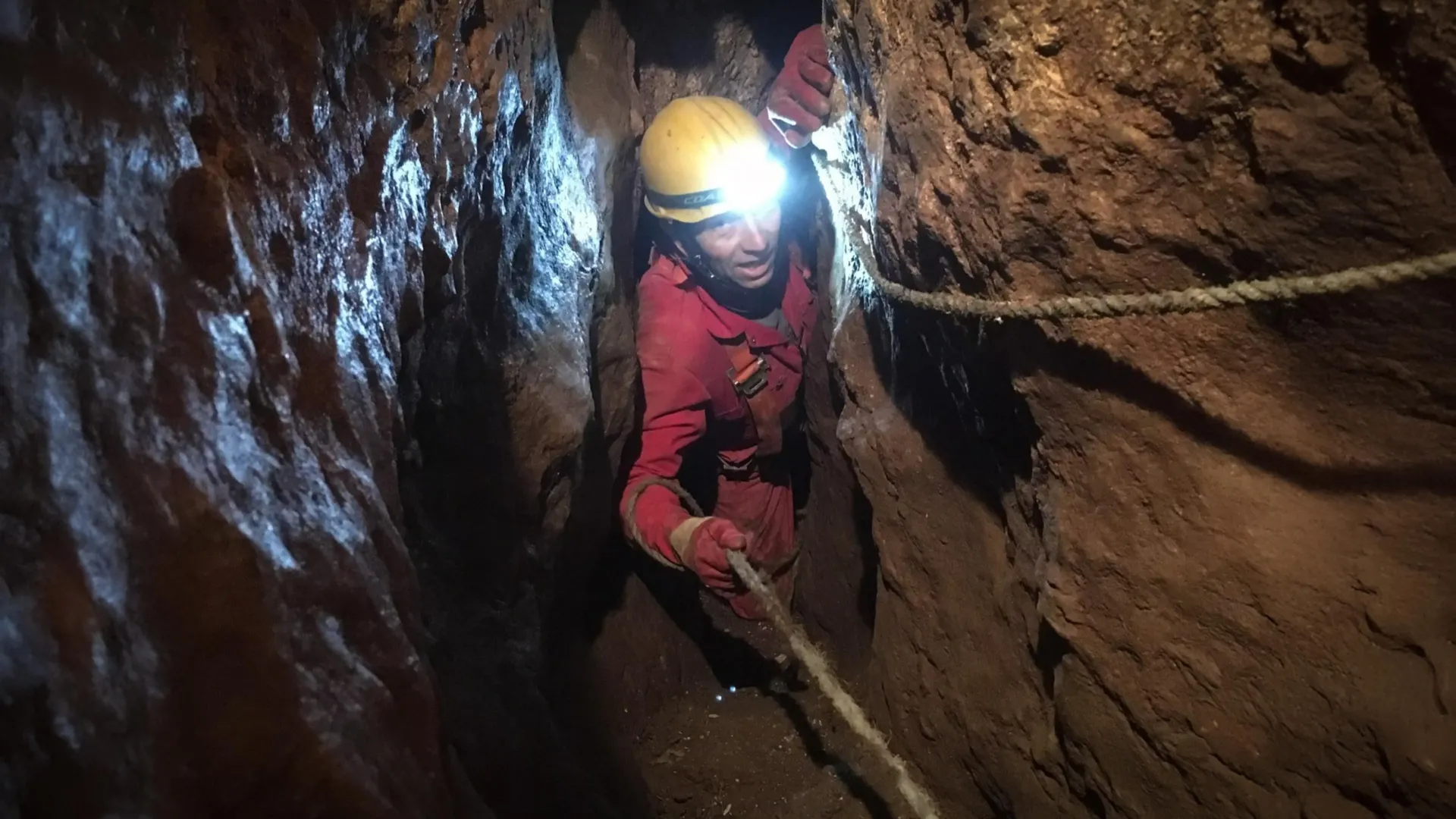
How was the Ossick Lass discovered and what does DNA reveal?
The remains were unearthed during excavations at Ossick's Cave in Cumbria, a site known to archaeologists for its prehistoric deposits. Using radiocarbon dating, scientists dated the bones to approximately 11,000 years ago. Ancient DNA extraction was particularly challenging due to the age and degradation of the remains, but researchers successfully sequenced her genome. This revealed she was genetically female and likely had dark skin and hair—traits common among early Europeans adapting to post-glacial environments. The DNA also showed connections to other ancient European hunter-gatherer populations, helping map migration routes into Britain after the ice sheets retreated.
What does the cave and burial tell us about early British hunter-gatherers' spiritual beliefs?
The presence of multiple burials in the same cave, along with carefully placed jewelry—including perforated animal teeth and bone beads—indicates that Ossick's Cave held deep ritual significance. Hunter-gatherers of this era often associated specific landscapes with spiritual power, and caves were seen as portals to the underworld or dwelling places of ancestors. The fact that a very young child received such an elaborate burial suggests that social status or family ties played a role in funerary practices. It also implies that the community had complex beliefs about afterlife and the need to honor all members, regardless of age.
What was life like for people in northern Britain just after the Ice Age?
Around 11,000 years ago, Britain was emerging from the Younger Dryas cold period. The landscape was a mosaic of tundra, birch woodlands, and grasslands, with large mammals like elk, aurochs, and reindeer roaming freely. Early hunter-gatherers, including the girl's community, lived a nomadic lifestyle, following seasonal food sources. They relied on hunting, fishing, and gathering wild plants. Stone tools such as microliths (small flint blades) were used for spears and arrows. Social organization was likely multi-family bands with shared responsibilities. The harsh environment demanded resilience, but the presence of personal ornaments suggests leisure time for artistic expression and social bonding.
How does the Ossick Lass change our understanding of early human migration into Britain?
Previously, the earliest clear evidence for human presence in northern Britain dated to around 9,500 years ago. The Ossick Lass pushes that back by over a millennium, showing that humans adapted to the post-glacial landscape much faster than thought. Her DNA links her to populations from western and central Europe, suggesting that hunter-gatherers moved into Britain via a now-submerged land bridge called Doggerland or along the Atlantic coast. This discovery indicates a rapid northward expansion as ice retreated, and highlights the ability of these early groups to thrive in cold, dynamic environments.
What challenges did scientists face in analyzing the remains of the Ossick Lass?
The greatest challenge was extracting viable DNA from bones that had been buried for over 11,000 years in a damp cave environment. Contamination with modern human DNA was a constant risk, requiring strict protocols and clean-room facilities. Radiocarbon dating also needed careful calibration due to fluctuations in atmospheric carbon. Additionally, the fragmentary nature of the skeleton—only partial bones survived—made osteological analysis difficult, limiting what could be inferred about her health or cause of death. Despite these hurdles, advances in ancient DNA technology allowed researchers to overcome degradation and obtain a near-complete genome, opening a window into her life and ancestry.
What artifacts were found with the Ossick Lass, and what do they signify?
Alongside her remains, archaeologists discovered a collection of grave goods typical of early hunter-gatherer burials. These included perforated animal teeth (likely from deer or bear) and carved bone beads, which were probably sewn onto clothing or worn as necklaces. Such items suggest that even very young children were adorned with symbolic ornaments, possibly for protection or identity within the group. The absence of practical tools (like knives or hunting gear) implies the jewelry was purely ceremonial. The variety of materials also indicates trade or travel across distances, as some resources were not locally sourced, pointing to wide social networks.
What does the nickname "Ossick Lass" mean?
The name "Ossick" derives from the cave where she was found—Ossick's Cave in Cumbria. The term "lass" is a Northern English word for a young girl or woman, giving her a local, affectionate identifier. This naming convention follows a tradition in archaeology of giving discovered individuals nicknames that reflect the site or region (e.g., "Cheddar Man"). It helps humanize the find and makes the story more accessible to the public. The name also emphasizes her origin in northern Britain and her age, reminding us that this was a real child who lived and died thousands of years ago, whose story we can now partly tell.
Related Articles
- Global Forest Loss Declines Amid Policy Shifts and EU Deforestation Law Changes
- How to Uncover Black Holes Hidden in JWST's Little Red Dots
- How to Use a Biodegradable Produce Wash to Eliminate Pesticides and Extend Freshness
- Strixhaven Smashes MTG Prerelease Record, Outpacing Universes Beyond and War of the Spark
- How to Safely Integrate Generative AI Without Raising Cyber Risks
- A Practical Guide to Reusing Saudi Arabia's Wastewater to Combat Water Scarcity
- Breakthrough AI Debugging Method Automatically Pinpoints Which Agent Caused a Failure
- AI Breakthrough: 'Thinking Time' Dramatically Boosts Model Performance, New Research Reveals