9 Critical Facts About the AMOC: Is a Collapse Imminent?
The Atlantic Meridional Overturning Circulation (AMOC) is one of Earth's most powerful climate regulators, but it's facing an uncertain future. As global warming accelerates, scientists are asking whether this vast ocean current system could be pushed past a tipping point—and what that would mean for the planet. This article breaks down nine essential facts about the AMOC, from how it works to the fierce debate over its potential collapse. Read on to understand the science behind the headlines and what the latest research reveals.
1. What Is the AMOC and Why Does It Matter?
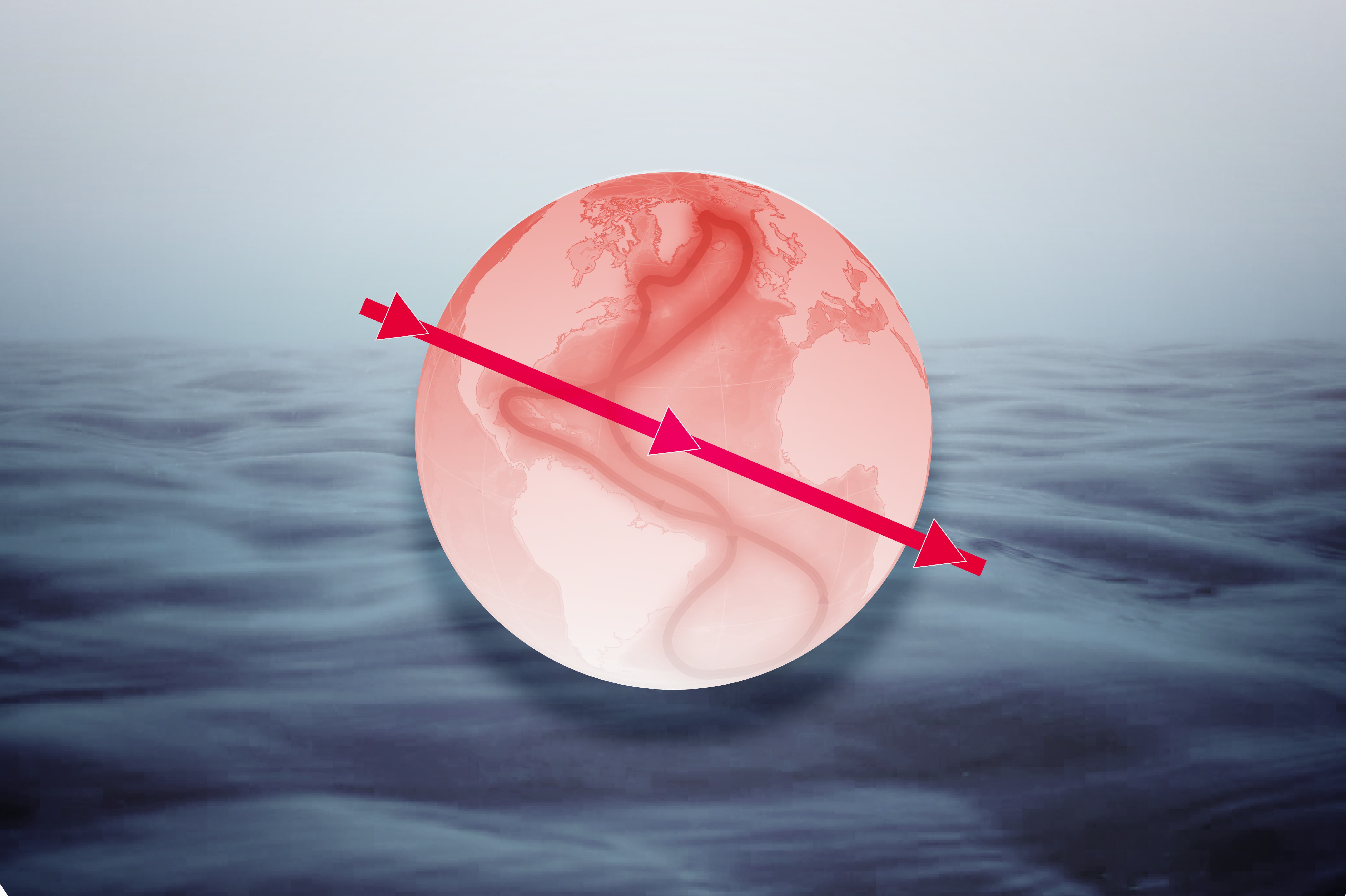
The AMOC is a massive system of ocean currents that acts like a global heat pump. It carries warm surface water from the tropics northward toward the North Atlantic, where the water cools, sinks, and then flows back southward at depth. This continuous loop moves heat, nutrients, and carbon around the world, helping to regulate Earth's climate. Without the AMOC, many regions—especially Europe—would experience drastic temperature drops. It’s not just about currents; it’s a cornerstone of our climate system.
2. How the AMOC Keeps Europe Mild and Shapes Global Rainfall
By transporting tropical warmth north, the AMOC gives Europe a climate far milder than its latitude would suggest. London, for instance, stays warmer than Moscow in winter because of this oceanic heat delivery. But the AMOC’s influence goes beyond temperature: it also drives global rainfall patterns. Changes in its strength can shift monsoon belts, affecting water supplies for billions of people. In short, a healthy AMOC keeps Europe temperate and helps stabilize precipitation across continents.
3. The AMOC Is Part of a Global Ocean Conveyor Belt
The AMOC doesn't work in isolation—it’s a key component of the Global Ocean Conveyor Belt, a large-scale circulation that connects all the world’s oceans. This system moves warm and cold water across hemispheres, redistributing heat and essential nutrients. The AMOC specifically powers the northward leg of this conveyor, pulling warm water from the South Atlantic and Indian Oceans. Any disruption to the AMOC would ripple through the entire ocean network, potentially altering marine ecosystems and global climate patterns for centuries.
4. Climate Change Is Upsetting the AMOC’s Delicate Balance
Human-caused global warming is throwing the AMOC off kilter. Three main factors are at play: rising sea temperatures, melting ice from Greenland, and increased rainfall in the North Atlantic. These changes make the surface water less salty and less dense, which slows down the sinking process that drives the AMOC. Since the system relies on a precise temperature and salt balance, even small shifts can weaken it. Scientists worry that continued warming could push the AMOC beyond a point where it can no longer function normally.
5. Evidence That the AMOC Is Slowing Down
Multiple lines of research suggest the AMOC has weakened significantly since the mid-20th century. Studies using direct ocean measurements, satellite data, and indirect indicators like sediment cores all point to a slowdown. Some analyses estimate the current system is at its weakest point in over a thousand years. While natural variability plays a role, the trend aligns closely with rising global temperatures. The slowing is gradual, but it raises the alarm that the AMOC may be losing resilience, making it more vulnerable to abrupt shifts.
6. The Tipping Point: Could the AMOC Suddenly Collapse?
A key concern is that the AMOC could reach a tipping point—a critical threshold beyond which it rapidly transitions to a much weaker state. This isn't a simple linear decline; it's a potential abrupt shift that could unfold over decades or even years. Once triggered, the collapse could be irreversible on human timescales, locking the system into a weak mode for centuries. Research suggests that crossing this threshold becomes more likely as global warming continues, though exactly where the tipping point lies remains uncertain. The stakes are extremely high.
7. IPCC vs. Recent Studies: The Collapse Debate
The Intergovernmental Panel on Climate Change (IPCC) projects that the AMOC will weaken but not collapse before 2100—a conclusion based on many climate models. However, some scientists argue these models are too conservative and may miss key feedback loops. Recent studies using advanced simulations and paleoclimate data suggest a collapse could arrive much earlier, possibly late this century or early next. This disagreement isn’t just academic; it shapes policy decisions and public understanding. The debate highlights the urgent need for more research, especially as global warming continues unabated.
8. A Collapsed AMOC: Europe Plunges Into a Deep Freeze
If the AMOC were to collapse, the consequences would be dramatic. Europe would paradoxically experience a sharp cooling (up to 10°C in some areas) even as the planet warms—a climate contradiction with terrifying implications. Agriculture would suffer, winters would become harsher, and energy demands would surge. The shift could also accelerate sea-level rise along the U.S. East Coast and disrupt the Asian monsoon, threatening food and water security for billions. A collapsed AMOC wouldn't just be a European crisis; it would send shockwaves around the globe.
9. The AMOC Collapse Could Trigger Other Climate Tipping Points
The AMOC may not act alone. A major slowdown or collapse could set off a domino effect of other catastrophic climate tipping points. For example, it could destabilize the Greenland ice sheet, alter the El Niño pattern, or weaken the Amazon rainforest’s ability to store carbon. Scientists call these interactions “tipping cascades,” where one system failure makes another more likely. Preventing an AMOC collapse is therefore not just about protecting ocean currents—it’s about safeguarding the entire planetary climate system from crossing dangerous thresholds.
The AMOC is a critical but vulnerable part of Earth’s climate machine. Understanding what it does, how it’s changing, and the risks of a collapse is essential as we navigate a warming world. While scientists debate the exact timeline, the message is clear: every fraction of a degree of warming edges us closer to a potential tipping point. The choices we make today will determine the future of these currents—and the climate that depends on them.
Related Articles
- Tracking the Starlink Train: A Guide to SpaceX's Earth-Orbiting Satellite Video
- Visual Studio Code Python Environments Extension: April 2026 Update Boosts Performance and Reliability
- Squid and Cuttlefish Survived Mass Extinctions by Hiding in Deep-Sea Oases, New Genome Study Reveals
- How Scientists Restored Memory by Targeting a Single Alzheimer's Protein: A Step-by-Step Research Guide
- Scientists Detect Mantle Gases in Zambia, Signaling Birth of a New Ocean Basin
- From COP Stalemate to Action: A Guide to the Colombia Fossil Fuel Summit's Potential
- Morocco Joins the Artemis Accords: 7 Key Facts About the Historic Signing
- The Hidden Secrets of Stargazing: Insider Tips for Sky Watchers