Exploring Python 3.13's Enhanced Interactive REPL: A Comprehensive Guide
Introduction
Python's interactive REPL (Read-Eval-Print Loop) is a vital tool for developers, enabling quick experimentation, debugging, and learning. With Python 3.13, the REPL has undergone a significant redesign, bringing a host of new features that make it more powerful and user-friendly. This article dives into the key improvements, including the revamped help system, seamless multiline editing, smarter code pasting, and an integrated history browser. Whether you're a seasoned Pythonista or a newcomer, these enhancements will streamline your workflow and boost productivity.

Revamped Help System
The help system in Python 3.13's REPL has been completely modernized. Previously, accessing documentation required typing help() and navigating a text-based interface. Now, the help system is context-sensitive and interactive. You can get instant information on any object, module, or keyword by simply typing help(thing). The output is formatted with syntax highlighting and better readability, making it easier to digest complex documentation.
Additionally, the help system supports autocompletion. When you start typing help( and press Tab, the REPL suggests available objects, functions, and modules. This feature reduces the need to recall exact names and accelerates the discovery process. For instance, if you type help(str. and press Tab, you'll see all string methods, each with a brief description. This interactive help system is a game-changer for both learning and day-to-day coding.
Seamless Multiline Statement Editing
One of the most requested features in earlier Python REPLs was improved support for multiline code blocks. Python 3.13 delivers with a new editing mode that allows you to write and edit multiline statements, functions, and classes without relying on external editors. The REPL now detects indentation automatically, and you can move your cursor across lines using arrow keys. This makes it feel more like a full-fledged editor.
For example, when defining a function, you can start typing def my_func(): and press Enter. The REPL indents the next line and continues to accept input until you enter a blank line. You can then go back to any previous line, edit it, and execute the entire block. This is perfect for testing complex logic or refactoring code on the fly. The multiline editing also supports undo/redo within the same session, reducing errors during experimentation.
Smart Code Pasting Improvements
Pasting code into a REPL has historically been problematic due to inconsistent indentation, trailing whitespace, or special characters. Python 3.13 introduces intelligent paste handling that automatically adjusts indentation and ignores leading prompts or shell markings. Whether you copy code from a tutorial, a Stack Overflow answer, or your own scripts, the REPL now interprets it correctly almost every time.
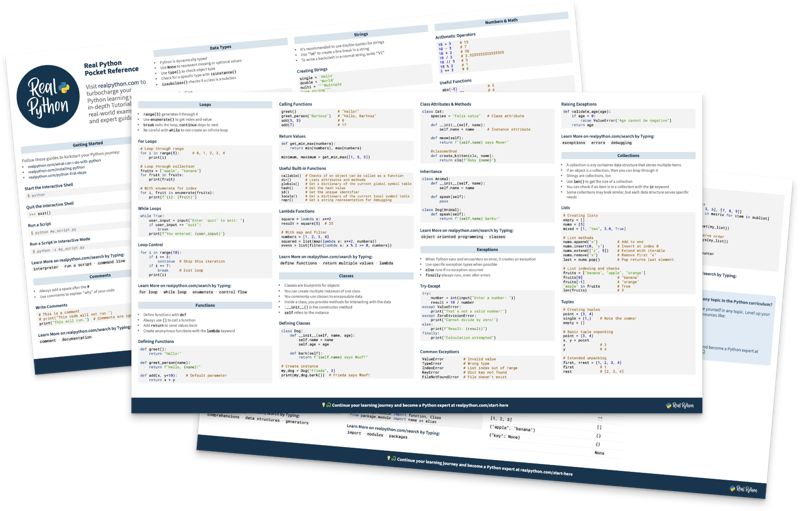
Moreover, the REPL can distinguish between single-line and multiline pastes. If you paste a single expression, it executes immediately. If you paste multiple lines, it waits until the block is complete (e.g., after a dedent or blank line) before executing. This eliminates the frustration of partial executions and allows you to test larger code snippets without manual reformatting. For users who frequently work with foreign code, this is a huge time-saver.
Integrated History Browser
Command history in previous REPLs was limited to simple up/down arrow navigation. Python 3.13 goes much further with a built-in history browser. You can access it by pressing Ctrl+R (or Ctrl+S for forward search) at the REPL prompt. This opens a searchable list of all commands entered during the session, with fuzzy matching. You can filter, select, and re-execute any entry quickly.
The history browser also supports bookmarking frequently used commands and exporting history to a file. This is invaluable for revisiting complex sequences of commands or for auditing your work. Additionally, the history is persisted across sessions, so you can pick up where you left off. The browser's intuitive interface—complete with pagination and keyboard shortcuts—makes navigation a breeze.
Embracing the Modern REPL
Python 3.13's redesigned REPL is a testament to the community's commitment to improving the developer experience. The enhanced help system, multiline editing, smart pasting, and history browser transform the humble command line into a powerful interactive environment. Whether you're prototyping, teaching, or troubleshooting, these features help you work faster and smarter.
If you haven't upgraded to Python 3.13 yet, now is the perfect time. The new REPL alone is reason enough to make the switch. Start exploring today, and you'll wonder how you ever coded without it.
Related Articles
- A Developer's Guide to Navigating Programming's Uneven Evolution
- 10 Things You Need to Know About Go 1.26's Modernized `go fix` Command
- How to Build a Trust Infrastructure for AI Resilience: A 9-Step Guide from VeeamON Insights
- 10 Game-Changing Features of GitHub’s New Copilot Desktop App
- Python 3.15 Alpha 4 Debuts with JIT Speedups and UTF-8 Default; Build Glitch Prompts Surprise Alpha 5
- Modernizing Go Code with the Source-Level Inliner in Go 1.26
- Visual Studio Code Python Extension: Key Updates in March 2026
- Flutter GenUI Package Gets Major Overhaul: New Architecture Gives Developers Unprecedented Control