8 Key Takeaways from Intel CEO Lip-Bu Tan’s Turnaround Strategy
In a revealing interview with Jim Cramer on Mad Money, Intel CEO Lip-Bu Tan opened up about the company’s dramatic recovery efforts. Since taking the helm, Tan has implemented radical changes—from restructuring engineering teams to forging critical partnerships. Here are eight essential insights from that conversation, highlighting how Intel is rebuilding its competitive edge and setting the stage for future breakthroughs.
1. Acknowledging Past Mistakes
Tan didn’t shy away from admitting that Intel had lost its way. “In the past, we made a lot of mistakes,” he said. His first major move was to correct those errors by simplifying the roadmap. Instead of chasing too many projects, the company now focuses on a clear, streamlined product strategy. This honest self-assessment set the stage for a complete operational overhaul, allowing Intel to redirect resources toward its most promising technologies. Tan’s willingness to own past failures has built credibility with investors and employees alike.
2. Engineering Now Reports Directly to the CEO
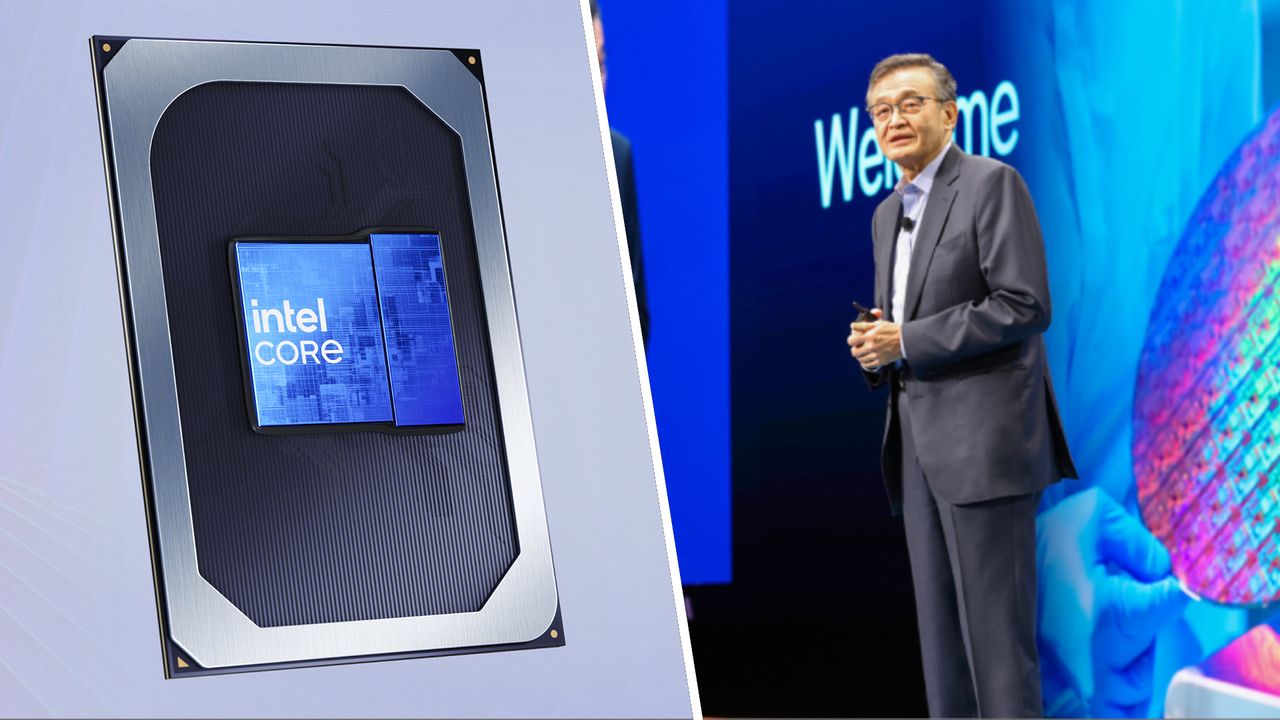
One of Tan’s most dramatic changes was restructuring the reporting chain. “From day one I came on board as CEO, I have all the engineering report to me,” he explained. Previously, engineering teams were buried under layers of management, creating silos that stifled innovation. When Cramer asked if they reported to the previous CEO, Tan replied, “No.” He recognized that even when information reached the top, it wasn’t being acted upon. Now, with direct visibility into engineering, Tan can make faster, more informed decisions.
3. Hands-On Management Style
Tan’s approach is anything but hands-off. “I decided the best thing is to really understand where the problem is,” he stated. He dives deep into engineering details, focusing on how to redesign and simplify products to deliver true killer offerings. This micro-involvement helped him identify bottlenecks and accelerate development cycles. The results are already visible in Intel’s improving financials, proving that a CEO who gets their hands dirty can drive powerful change.
4. Major Yield Improvement for 18A
When Tan took over, Intel Foundry’s 18A node had poor yield rates. He enlisted ecosystem partners to analyze data and set a new industry benchmark. “The best practice is to see seven or eight percent yield improvement per month, and now I’m seeing it,” he reported. These monthly gains demonstrate that rigorous oversight and collaboration can overcome manufacturing challenges. Strong 18A yields are critical for Intel to regain trust with foundry customers and compete with TSMC.
5. Credit to Team and Ecosystem Partners
Despite his hands-on role, Tan emphasized that the turnaround is a team effort. “It’s a lot of hard work, a lot of teamwork, a lot of talent I brought on board to help,” he said. He described Intel as a service business built on customer trust. By fostering collaboration internally and with partners, Tan created an environment where breakthrough ideas can flourish. His humility in sharing the spotlight has boosted morale and attracted top engineering talent back to Intel.
6. 14A Process Timeline Matching TSMC
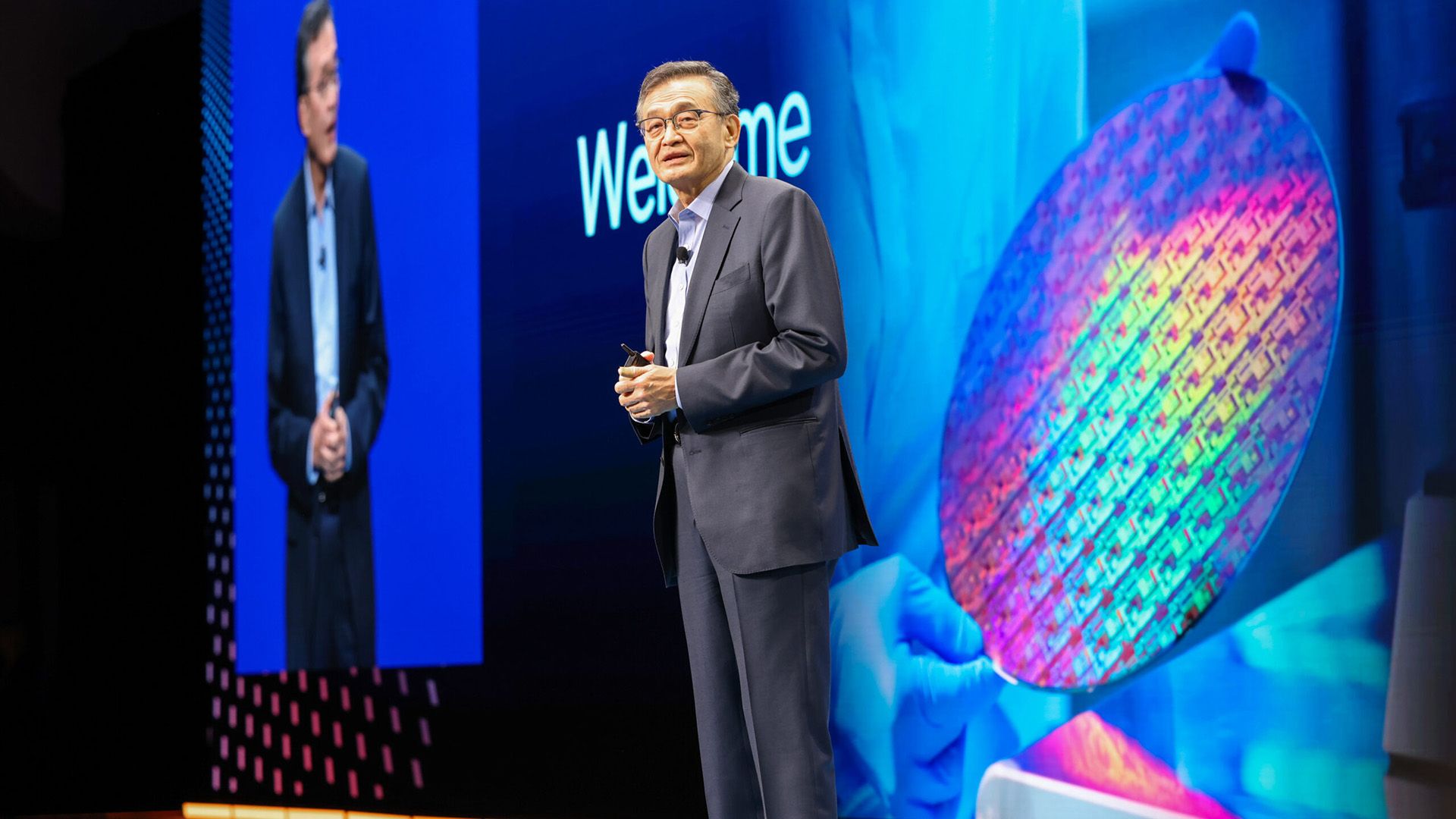
Intel’s upcoming 14A process is scheduled for risk production in 2028, with volume production in 2029. Tan noted proudly, “It will be the same time as TSMC. So that is a major, major breakthrough.” Achieving parity with the industry leader in next-generation lithography would be a monumental achievement. It signals that Intel’s technical roadmap is credible, potentially winning back customers who had defected to TSMC for advanced nodes.
7. Key Partnerships with Elon Musk and Nvidia
Tan revealed that Intel has secured notable partnerships, including Elon Musk’s Terafab project for 14A technology. Additionally, the company is teaming up with Nvidia, a move that surprised many industry watchers. “I still can’t quite get my head around that, can you?” Cramer mused. These collaborations show Intel is becoming a preferred foundry for high-profile clients, diversifying its revenue beyond traditional PC and server chips.
8. Looking Ahead: A Bright Future
Tan’s confidence is backed by tangible progress. With improved yields, a clear roadmap, and top-tier partners, Intel appears poised for a sustained comeback. However, execution remains key—maintaining monthly yield improvements, hitting 14A deadlines, and deepening customer relationships will determine long-term success. If Tan’s current trajectory holds, Intel could reclaim its position as a semiconductor powerhouse, challenging TSMC on its own terms.
Conclusion
Lip-Bu Tan’s candid interview reveals a leader unafraid to overhaul Intel’s culture and operations. By prioritizing direct engineering oversight, streamlining processes, and forging strategic alliances, he has engineered a remarkable turnaround. The coming years will test whether these changes can deliver consistent results, but for the first time in years, Intel’s future looks bright. Investors and tech enthusiasts alike will be watching closely as the company aims to match TSMC and win back the industry’s trust.
Related Articles
- Podracing Returns: 'Star Wars: Galactic Racer' Officially Revealed with 2025 Release Date
- The Outer Worlds: Spacer's Choice Edition Becomes the Only Version as Original Gets Delisted
- Battlefield 6 Season 3: Embracing Nostalgia with Battlefield 4-Inspired Content
- A Comprehensive Guide to the Top 10 Best-Selling Star Wars Games in the US
- 7 Game-Changing Facts About the Asus ROG Xreal R1 240Hz AR Gaming Glasses
- Party Animals Studio Reverses Course After AI Contest Sparks Fury: 'We Missed the Mark'
- Discover Indie Gaming Gems: Limited-Time Showcase Bundles from Humble and Fanatical
- The Blood of Dawnwalker: Breaking Free from Linear Quest Design